Roof Rat

Closeup of a black Roof Rat against a white background.

Roof Rats in Wisconsin

Roof rats aren’t considered an established pest in Wisconsin, but they can still turn up occasionally, often hitching a ride in cargo shipments and other cross-country freight. Like all rats, they depend on structures for shelter, and protection, and once inside they typically settle into attics, roof voids, eaves, and other elevated areas rather than basements or crawl spaces. One of the easiest ways to distinguish a roof rat from other rat species is by its tail. Unlike other rats, the roof rat has a hairless tail that also extends beyond the combined length of its head and body, instead of a typical short, hairy tail.

Roof Rat Habitat

Roof rats naturally seek out elevated nesting locations, including tree canopies, climbing vines, and dense shrubs. They have specialized pads on their feet that allow them to grip narrow branches, and their long tails provide balance as they climb. During the night, roof rats leave their nests to search for food, traveling along utility wires, tree limbs, fences, and rooftops to reach attics, garage storage areas, woodpiles, and other sheltered locations. Scratching or scampering sounds overhead are one of the earliest indications that roof rats have moved into a home.

Roof Rat Behaviors, Threats, or Dangers

Roof rats are capable of transmitting diseases, including salmonella, leptospirosis, and rat-bite fever. As they search for food, they contaminate food for people, pets, and livestock with their droppings and urine. Their diet includes both plants and animals, but they are particularly attracted to citrus fruits. They also feed on pet food, birdseed, grease, meat, and even pet waste, making storage sheds and outdoor grills attractive feeding sites.

In addition to contaminating food, roof rats cause costly structural damage. They love to nest inside attics and wall voids, where their constant gnawing strips insulation from electrical wiring. Damaged wires can create serious fire hazards if left unaddressed.

If you suspect roof rats have invaded your Wisconsin home or business, contact a licensed rodent control professional to inspect the property.

Sac Spider

Yellow sac spider in Wisconsin - Batzner Pest Control

Sac Spider in Wisconsin

Commonly recognized as the “yellow sac spider,” this species displays a pale yellow hue, sometimes with greenish undertones. These spiders exhibit a natural tendency to avoid human interaction, typically entering indoor environments by mistake. Sac spiders are often mistaken for the brown recluse due to their similar form, even though they don’t have the distinctive “fiddle” marking of the brown recluse. Their diet mainly consists of various spiders and garden pests.

Sac Spider Habitat

In their natural outdoor habitat, sac spiders are often found beneath vegetation, within bark layers, curled leaves, and amidst organic detritus. These arachnids sometimes hitch a ride on agricultural products, such as grapes, inadvertently making their way into homes. With the onset of cooler weather in autumn, sac spiders tend to migrate indoors in search of warmth. Their agility allows them to ascend smooth surfaces effortlessly, where they construct silk-based, sac-shaped shelters in corners where walls converge or meet ceilings.

Sac Spider Behaviors, Threats, or Dangers

Sac spiders are predatory in nature, utilizing their silk sacs solely as a retreat or for encasing their eggs. They are primarily nocturnal hunters, preying on insects during the night. Bites from sac spiders are sometimes mistaken for those of the brown recluse spider due to the similarity in the presentation of symptoms, which are notably less severe. Although a bite from a yellow sac spider can induce discomfort, it seldom leads to serious medical issues, barring individuals with allergies. Symptoms such as swelling, delayed healing, and the formation of ulcer-like sores at the bite site can be misleading. Should you suspect a spider bite, it is important to seek medical consultation if symptoms do not improve or worsen. If you need help with sac spiders, contact your local spider exterminators.

Fishing Spider

Fishing Spider in Wisconsin - Batzner Pest Control

Fishing Spider in Wisconsin

Fishing Spiders, notable for their substantial size and similar physical attributes to wolf spiders, derive their name from their aquatic habits, including preying on small fish and aquatic insects. Predominantly found in forested areas, these spiders occasionally intrude into residential spaces near bodies of water or wooded regions, venturing into garages, basements, and storage areas. Their unique ability to navigate water surfaces and their tactic of diving underwater when pursued are distinctive of this spider.

Fishing Spider Habitat

Fishing Spiders are typically associated with areas close to water, such as lakeside vegetation, docks, and other waterfront structures. They frequently occupy areas around pools in residential zones and are capable of entering homes. Their presence is more common near wooded areas, and they have the ability to climb trees and access rooftops through small openings. While preferring outdoor habitats, they may seek shelter indoors during colder months for hibernation.

Fishing Spider Behaviors, Threats, or Dangers

Although Fishing Spiders can appear daunting due to their size, their venom is harmless to humans. They are not considered household pests, but their presence can be startling, especially for those with a fear of spiders. If a Fishing Spider mistakenly enters a home, it can be gently captured in a container and released outside. They may be found around ornamental plants, building nursery webs and contributing to debris accumulation. For issues concerning Fishing Spiders, it is advisable to consult a professional spider exterminator.

Brown Recluse Spider

Brown Recluse in Wisconsin - Batzner Pest Control

Brown Recluse Spider in Wisconsin

The brown recluse spider, often called the ‘violin’ or ‘fiddleback’ spider for its distinctive back marking, is the most prevalent recluse spider in North America and is a common sight in Wisconsin. Despite their reputation, they are not as frequently encountered as many believe. Brown recluse spiders have a venomous bite, but not every bite results in significant tissue damage; some may cause minor swelling resembling a pimple.

Brown Recluse Spider Habitat

True to their moniker, brown recluse spiders favor solitude. They thrive in tight, concealed spaces like cracks and crevices, under rocks, or beneath dead tree bark. They show a preference for textured surfaces such as paper, wood, and cardboard over smooth ones like glass or metal. They like ample hiding spots, including underneath garbage bins, in wood piles, beneath tarps, or inside storage containers.

Brown Recluse Spider Behaviors, Threats, or Dangers

The venom of the brown recluse spider is known for its potential to cause necrotic lesions on the skin, although such incidents are uncommon. These spiders only bite in defense. They are often found hiding in personal belongings such as shoes, clothes on the floor, or garden gear stored away. While bites are infrequent, the consequences can be severe, necessitating prompt medical consultation. For issues concerning Brown Recluse Spiders, it is advisable to consult a professional spider exterminator.

Harvestmen / Daddy Longlegs

Harvestmen / Daddy Longlegs in Wisconsin - Batzner Pest Control

Harvestmen / Daddy Longlegs in Wisconsin

Though frequently mistaken for spiders, daddy longlegs, or harvestmen, are a separate entity. The term “harvestmen” derives from their prominent appearance during the harvest season in late summer and autumn. Unlike spiders, they lack the ability to produce silk for webs. Notorious for their elongated legs and unified body shape, these creatures can become a noticeable presence around buildings, congregating in large numbers. However, they pose no risk to people, pets, structures, or vegetation.

Harvestmen / Daddy Longlegs Habitat

Preferring moist environments, harvestmen thrive in natural settings like forests and caves, often seen scaling surfaces or amidst foliage. They are a common sight in shaded areas around buildings, under eaves, and in crawl spaces during the warmer seasons. In colder months, they form large clusters on structures.

Harvestmen / Daddy Longlegs Behaviors, Threats, or Dangers

As natural pest controllers, harvestmen contribute positively to garden health by preying on aphids, other spiders, and various pests. They are harmless to humans, lacking the ability to bite or secrete venom. In defensive situations, they emit an unusual odor to ward off predators. While nocturnal and less likely to invade indoor spaces, their presence is mostly unnoticed due to their nighttime activity. For issues with excessive numbers of daddy longlegs, consult a professional spider exterminator.

Black Widow Spider

Black widow spider in Wisconsin - Batzner Pest Control

Black Widow Spider in Wisconsin

Black widow spiders have garnered a notorious reputation globally for their bites, which can cause significant discomfort and medical concerns in humans. While both genders may display a range of colors from dark brown to jet black, it’s predominantly the female that features the iconic red markings, either an hourglass shape or spots, on their abdomen. The debris and clutter common around humans create perfect conditions for these spiders. They frequently make their homes near residential areas, within outbuildings, along fences, and amidst garden and yard debris. Although black widow spiders possess the title of North America’s most venomous spider, fatalities from their bites are extremely rare, albeit the experience can be intensely painful.

Black Widow Spider Habitat

Black widow spiders mainly choose outdoor settings for their habitats, particularly favoring dark, serene, and untouched spots close to the ground level. Their webs are notably erratic and disorganized, often found in niches or hollows of rock structures, block barriers, watering system control areas, and beneath outdoor seating. They are also common in garages, storage sheds, and around children’s play equipment. Although these spiders prefer the outdoors, they can accidentally be transported indoors through boxes or with outdoor items. One key indicator of a black widow presence is the sighting of their distinctive, messy webs in or around a property.

Black Widow Spider Behaviors, Threats, or Dangers

While black widow spiders carry a venomous bite, they are generally not aggressive and bite only when they feel threatened or accidentally come into contact with humans. Incidents often occur during unintentional interactions, such as when reaching into dark areas without looking first. Symptoms of a black widow bite, including localized pain, muscle rigidity, nausea, and fever, can appear within 20 minutes to an hour after the bite and necessitate prompt medical attention.

In the event of a black widow infestation, it is crucial to seek professional pest control services to safely and effectively address the problem.

Ladybug

Seven-spotted lady bug, lady beetle, in Wisconsin

Ladybugs in Wisconsin

Otherwise known as lady beetles or ladybird beetles, you’ll often spot ladybugs fluttering around your gardens, trees, and shrubs in Wisconsin. These little red-and-black insects are hard at work keeping your green spaces healthy by munching on troublesome pests like aphids. One ladybug can gobble up to 5,000 aphids in its life!

However, when the cold Wisconsin winter rolls in, these beetles sometimes seek refuge in the cozy corners of our homes and buildings, a place for them to hibernate until spring. Although they may surprise you in and around your home, they’re simply looking for a warm spot to overwinter.

Ladybug Habitat

Ladybugs aren’t just countryside dwellers, they also live in cities and suburbs. These insects prefer gardens and leafy trees, where they’re never far from their next aphid feast. Ladybugs lay their eggs right where aphids are plentiful, so their young have sustenance as soon as they hatch. When it’s time to hibernate, they’ll congregate in secluded spots where they can spend the winter undisturbed.

Ladybug Behaviors, Threats, or Dangers

We can appreciate ladybugs for their appetite for pests that wreak havoc on plants. However, their presence can be less than ideal when they find their way into our homes in search of a winter getaway. These beetles come equipped with a pheromone signal that calls their friends to join them in their hibernation spot. This can lead to an unexpected gathering that might be larger than anticipated, turning into a full-blown infestation.

Ladybugs are not considered dangerous, since they don’t carry disease or venom. Ladybugs do bite people when they’re threatened – but it’s uncommon and they won’t break the skin. However, some may experience allergic reactions from their bites.

Should you find ladybugs around your Wisconsin property, don’t fret. Call your local pest control expert right away to take care of infestations.

Crazy Ant

A Crazy Ant on Hard Surface

Crazy Ants in Wisconsin

Discovered in Texas in 2002 and nicknamed “raspberry ants,” crazy ants have reached Wisconsin and may one day replace fire ants. With their reddish-brown color and unusual movements, these ants follow pheromone trails but don’t march in straight lines due to their long legs and unpredictable paths. They harm grass, compete with other insects, and damage electrical equipment, impacting both cities and rural regions.

Crazy Ant Habitat

Crazy ants build large nests, often near sources of moisture, and will settle in any gap or crevice they can find. These nests are commonly found in leaf litter, damp soil, and other sheltered areas. While colonies are usually outdoors, these ants will enter homes in search of meat and sweets. Nests have also been discovered in potted plants, tree stumps, and electrical equipment. In addition to tending aphids for their honeydew, crazy ants hunt live prey and scavenge carcasses.

Crazy Ant Behaviors, Threats, or Dangers

Crazy ants can bite but lack a stinger, so they do not sting. The bite causes mild pain that fades quickly. Their foraging habits bring them into homes, where they’re attracted to electrical equipment, often damaging electronics and creating fire risks. They are frequently found in televisions, stereos, computers, and other appliances. Chewing through insulated wiring, these destructive insects may cause electrical shorts, which can result in fires.

If you think you may have a crazy ant infestation, contacting a professional ant exterminator is the best course of action.

Firebrat

Firebrat on White Background

Firebrat in Wisconsin

Firebrats are common across Wisconsin, especially in urban and suburban areas. These nocturnal insects, measuring 1/2 to 3/4 inch long, thrive in warm, humid environments. While their activity drops during cold winters, they can survive indoors if they find a warm hiding spot. Once inside, they often go unnoticed due to their secretive nature and preference for dark, hidden spaces. Their adaptability allows them to persist as pests, often damaging items like paper, books, and clothing.

Firebrat Habitat

Firebrats thrive in warm, humid environments, often making urban and suburban areas their ideal homes. Inside buildings, they are frequently found in kitchens, bathrooms, and laundry rooms, drawn to heat sources like furnaces, boilers, and hot water pipes. They are particularly attracted to areas with consistent warmth and moisture, which provide ideal conditions for their survival. Outdoors, they hide in protected spots such as under rocks or leaf litter near buildings. Being nocturnal, they are active at night and avoid light and disturbances during the day.

Firebrat Behaviors, Threats, or Dangers

Although firebrats are harmless to humans, they can breed quickly and become a nuisance in your home. They damage household items such as paper, fabrics, and wallpaper while contaminating food and storage areas. Their shed skin and feces can trigger allergies or asthma in some individuals. In severe infestations, their presence can lead to significant damage to stored items and increased cleaning efforts. Preventative measures like lowering humidity, sealing cracks, and removing accessible food can help control these pests.

For assistance with firebrat infestations, contact a professional exterminator near you.

Raccoon

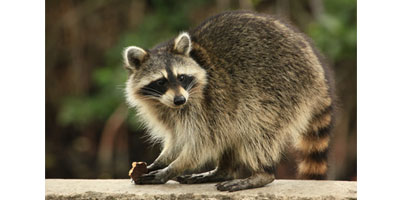
Raccoon identification in Wisconsin - New Berlin, Green Bay, Milwaukee, Madison, Racine and surrounding areas

Raccoon Diet

Raccoons are omnivores and stick to a balanced diet of plants, insects, and small mammals. Some food sources include beetle larvae, berries, nuts, apples, fungi, earthworms, crayfish, pet food, mice, rabbits, and squirrels. Gardens, especially ones containing sweetcorn, are another prime target for the pests. In urban areas, where their natural food sources are limited, raccoons are notorious for scavenging trash and compost.

Raccoon control and removal - Batzner Pest Control in Wisconsin
Raccoon control and prevention - Batzner Pest Control in Wisconsin

Raccoon Habitat

Raccoons are extremely adaptable. Typically, raccoons live in heavily wooded areas near trees, water, and abundant vegetation, making their dens in the hollow parts of trees or abandoned burrows. In suburban and urban areas, they make their homes in man-made structures like attics, sewers, barns, and sheds.

Raccoon Life Cycle

Raccoon mating season starts in late winter and stretches to the late spring months. Females will mate with several males before the season is over. As raccoons prefer to dwell in dens and similar spaces, they often settle in rock crevices, tree cavities, caves, farm buildings, storm sewers, hollow logs, and chimneys to give birth and raise the young. An average raccoon litter produces three to five offspring, though the mammal is capable of having up to seven cubs at a time. The gestation period lasts about 63 days, and it takes another two to four months to wean the cubs. Mothers are very protective of their young until they separate after about a year. Adults live in loose-knit communities of four or five raccoons for better protection against predators. Raccoons have been known to live for 17 years, though few live past six years of age due to the many dangers and potential problems encountered in the wild.

Raccoon control and removal - Batzner Pest Control in Wisconsin

Signs of a Raccoon Infestation

  • Yard Damage: Overturned turf as a result of grubbing
  • Crop Damage: Chewed sweet corn, hollowed-out watermelons
  • Sightings: The sighting of an adult raccoon
  • Odor: Unpleasant odors produced by urine and feces
  • Property Damage: Damage to shingles, rooftop ventilators, or attic insulation
  • Trash: The disruption of trash cans usually indicates the presence of the pest

Raccoon Damage

Raccoons can be extremely destructive due to their curiosity, intelligence, dexterity, and climbing skills.

Health Risks & Diseases

Raccoons pose threats to the health and well-being of humans and household pets, as well as gardens and lawns because they carry diseases – either themselves or from the parasites on their bodies. The pests are known vectors of several diseases transferable to humans. While rabies serves as the most notable and common threat raccoons pose to human health, the animals also carry leptospirosis, Chagas disease, and tularemia. Additionally, raccoons are often infested with ticks and fleas, which can be transferred to pets.

Property Damage

Property damage caused by raccoons is most commonly due to their desire to get food and seeking shelter. A raccoon will often try to find shelter in attics and other areas in your home. To get into attics, chimneys, and other den-like areas of homes, raccoons tend to cause structural damage by shredding insulation, prying off singles and fascia boards, and breaking vent covers and windows. Garbage cans, containers, and other structures can be torn apart by their very strong hands that are each topped with strong, non-retractable claws.

Lawn Damage

Given that raccoons like to dig for grubs and beetles and other insects, they might also dig up your garden. They are opportunistic eaters and might eat plants, vegetables, and fruit that you are growing in your garden.

Dangers

Social and aggressive when cornered, raccoons pose many problems to people and house pets. With sharp nails and long, slender feet, the pest is a skilled scavenger and climber and easily transmits diseases through scratches and bites.

Raccoon Prevention & Control

Raccoon Prevention

Simple preventative steps and minor repairs will discourage raccoons and other pests from invading your property.

Secure Trash Cans
Wisconsin homeowners may limit raccoon food sources by making sure all trash receptacles have secure lids. To prevent the containers from tipping over, residents should consider binding trash cans to posts with wire or cords.

Habitat Modification
Like most pests, invading raccoons are looking for areas that provide shelter, food, and water. Therefore, limiting access to the basic necessities effectively prevents the pests from settling in homes.

Limit Food & Shelter
Bringing in any outdoor pet food and water and purchasing special fences for gardens also deters raccoons from hanging around the house. To limit options for shelter, homeowners should consider eliminating tree branches that hang over roofs.

Exclusion
Covering chimneys with fire code-appropriate caps remains an effective way of keeping raccoons from nesting.

Landscaping
Thinning overgrown shrubs, removing woodpiles, and fixing holes that lead under porch areas also reduces the chances of a raccoon infestation.

Raccoon Control

Much in wildlife control is about knowing and understanding breeding cycles. For raccoons, exclusion is a key element in solving the problem, but a nesting mother can create tremendous damage attempting to get back in if separated from her nest. Raccoons are easily frightened and may quickly become aggressive when approached by humans.

Batzner Pest Control uses insight on raccoon biology and behavior to approach raccoon control humanely and effectively with the following steps:

  1. Identifying raccoon entry points: First things first, your specialist uncovers how raccoons are getting in.
  2. Raccoon removal: We then take a safe, ethical approach to removing them.
  3. Keeping raccoons out: Finally, your specialist will suggest repairs and exclusion techniques prevent future problems.

Methods of removal include live-trapping and exclusion. Typically, these methods require special certifications or licenses. Given the threats, the pests pose to human health, attempting to remove raccoons from the home without professional assistance is inadvisable.

As a result, homeowners should refrain from removing or attempting to remove raccoons without the help of a pest control professional. Count on a professional pest management service to take care of the problem knowledgeably and successfully.