
Key Takeaways
- Bed bug bites often appear as small red bumps in clusters, straight lines, or zigzag patterns, but reactions can vary from person to person.
- Bed bugs usually feed at night while people sleep, and their bites are often painless at first before itching develops later.
- Mild bed bug bites can often be treated at home with soap and water, ice packs, antihistamines, and anti itch creams.
- Severe reactions such as swelling, hives, blisters, or breathing problems should be evaluated by a medical professional right away.
- Bed bugs do not spread disease, but quick inspection and treatment can help stop an infestation from getting worse.
Identifying bed bug bites is not always simple because they can look similar to other insect bites or skin irritations. Since reactions vary widely, learning the common symptoms and habits of bed bugs can help homeowners in Wisconsin determine when further inspection may be needed.
Many homeowners do not notice bed bug bites right away, which can allow these pests to remain hidden in homes throughout Wisconsin. Bed bugs are skilled at staying out of sight and typically come out to feed when people are sleeping. Understanding when they bite and what signs they leave behind is an important step in recognizing a possible infestation early.
If you believe bed bugs may be active in your home, it’s wise to act quickly before the issue grows worse. Batzner Pest Control can provide dependable guidance, inspections, and effective treatment options to help eliminate bed bug problems.
Recognizing the Appearance of Bed Bug Bites
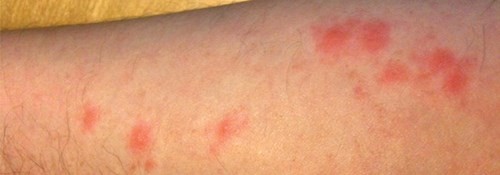
Bed bug bites can appear differently from one person to another, which often makes them difficult to identify. Some people show little to no visible reaction, while others develop noticeable irritation that may last for days or even weeks. Common signs of bed bug bites:
- Bed bug bites often appear as flat or slightly raised red bumps on the skin.
- Bites may develop in small clusters or in a straight or zigzag line.
- Itching commonly occurs in the areas where bites are present.
- Mild to moderate swelling may develop around the bite sites.
- Skin irritation can become worse when the bites are scratched.
How Do I Know if it’s a Bed Bug Bite?
Identifying bed bug bites can be difficult, especially since reactions vary from person to person and may not appear immediately. Here are some distinguishing factors to help discern them from other insect bites:
- If you felt the bite when it occurred, it was not a bed bug.
- If bites are random and spread out, it was probably not bed bugs.
- If the bite forms a blister, it could be a bed bug bite.
- If the bites follow a pattern (straight or a zig-zag), they could be bed bug bites.
- If multiple bites are in a group of three to five, it may be bed bug bites.
These factors are not definitive, as reactions and circumstances can vary greatly. If you suspect bed bug bites, it is best to contact a professional bed bug exterminator for proper identification and treatment.
How Do I Know if it’s a Bed Bug Bite?
Identifying bed bug bites can be difficult, especially since reactions vary from person to person and may not appear immediately. Here are some distinguishing factors to help discern them from other insect bites:
- If you felt the bite when it occurred, it was probably not a bed bug.
- If bites are random and spread out, it was probably not bed bugs.
- If the bite forms a blister, it could be a bed bug bite.
- If the bites follow a pattern (straight or a zig-zag), they could be bed bug bites.
- If multiple bites are in a group of three to five, it may be bed bug bites.
These factors are not definitive, as reactions and circumstances can vary greatly. If you suspect bed bug bites, it is best to contact a professional bed bug exterminator for proper identification and treatment.
When And How Do Bed Bugs Bite?
While you are sleeping, bed bugs will bite using their small beaks. As they bite, they release an anticoagulant in their saliva, preventing your blood from clotting. This allows them to receive a steady two to three-minute blood meal of what they need to survive and reproduce. Bed bugs will not bite in defense; they will bite for the sole purpose of feeding.
Due to the anesthetic properties in a bed bug’s saliva, their bites are initially painless, which is why they bite while you’re sleeping. Once the numbing effect wears off however, an itchy rash may develop.
How Do I Treat Bed Bug Bites?
Most bed bug bites can be managed at home with basic care. Keeping the affected area clean and avoiding scratching can help reduce irritation and lower the risk of infection. For mild reactions, try these simple home bed bug remedies:
- Wash the bite with warm, soapy water.
- Apply an ice pack to reduce swelling.
- Take an antihistamine to settle the itchiness.
- Apply calamine lotion or anti-inflammatory cream.
Am I Having an Allergic Reaction to Bed Bug Bites?
Although it is uncommon, some people can suffer an allergic reaction. If you have an allergic skin reaction to a bed bug bite, use a cream with a corticosteroid, take an oral antihistamine, and most importantly, see your doctor. Symptoms of an allergic reaction can be:
- Intense itching may develop around the bite area.
- Swelling can occur at or near the bite sites.
- Hives may appear on the skin as raised, itchy welts.
- Blisters can form in more severe reactions.
In extremely rare cases, those who are highly allergic to bed bug bites could experience anaphylaxis, causing respiratory problems, hives, or tightness of the throat. Seek immediate medical attention for these symptoms.
The American College of Allergy, Asthma & Immunology claims that bed bugs can also trigger asthma for some individuals if a large amount of bed bug skin particles becomes airborne. In any case, always consult a medical professional if you begin to experience more serious symptoms.
Do Bed Bug Bites Spread Diseases?
No, there have never been any reports of bed bugs being responsible for disease spread. Studies have also shown that a bed bug testing positive for the disease after feeding on an infected host did not transmit the disease to another host. There are no confirmed cases of bed bugs transmitting any disease to humans.
Call Us for Bed Bug Control in Wisconsin
Known to be international travelers and expert hitchhikers, bed bugs can be found in many environments and are not limited to any one location, including homes throughout Wisconsin. As you travel or bring in used furniture and belongings, your chances of encountering bed bugs and experiencing bites can increase.
At Batzner Pest Control, we help homeowners understand how to identify bed bug bites and recognize early warning signs of an infestation. Knowing what to look for, along with understanding your treatment options, can make it easier to decide your next course of action and address the problem before it spreads.
For help with bed bug problems in your Wisconsin home or business, contact the experts at Batzner Pest Control.
Learn more about where to look for bed bugs and how to avoid them with these great blogs:
How to Inspect for Bed Bugs and Avoid Them While Traveling
Places You Wouldn’t Expect to Find Bed Bugs
Sleep Tight, Don’t Let These Bed Bug Myths Bite
Need a pest control estimate?
We'll call you! Our representatives are fast and friendly.