
That light bump or soft scratch is enough to grab your attention, and homeowners in Wisconsin hear these things more often than they expect. When it happens, it’s natural to wonder if the home is settling or something else is moving around unseen. Those moments of uncertainty are more common than you might think.
Wildlife and pests tend to give themselves away. Creatures like raccoons, squirrels, birds, and mice often make small sounds that signal their activity. These noises can shift throughout the day based on where they are and what they’re doing.
This guide from Batzner Pest Control helps you understand what those sounds might mean. Tracking the location and timing makes it easier to identify the source. Once you know what you’re hearing, you can figure out your next steps with confidence.
What Do Those Strange Noises Really Indicate?
To understand the strange sounds coming from your home, it helps to begin with the simple details. Think about the tone, rhythm, and location of the noise, because those clues can reveal far more than you might expect. Taking a moment to recall when the sound happened can also make a big difference.
Even the smallest hints can help you narrow things down quickly. A faint scratch, a quick tap, or a soft thump can guide you toward the real source faster than you’d imagine. Paying attention to how often the noise repeats can make the picture even clearer.
Sounds You’re Most Likely to Hear Inside the Walls
Walls often become unexpected hiding spots for everything from small insects and rodents to bigger animals such as raccoons. When larger wildlife tries to move through those cramped gaps, they may struggle or bump around, creating noticeable noise. These are the types of sounds you’re most likely to hear behind your walls:
- A Buzzing or Humming in the Walls
Persistent buzzing or humming is a reliable clue that stinging insects may be present. The sound comes from countless wings beating quickly and usually becomes more noticeable on bright, warm days. Examples of insects that create these noises include: - Ticking or Clicking Inside Walls
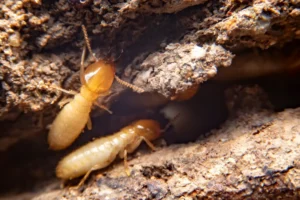
Ongoing, gentle clicking or ticking noises inside your walls may be a sign of insects harming wood. They often appear in bursts, making nighttime the easiest time to hear them. These pests often include:- Termites: Small, steady clicking or tapping noises inside walls can indicate termites feeding on the wood.
- Carpenter Ants: Soft, irregular ticking or rustling from wooden structures often points to carpenter ants at work.
- Heavy Dragging Sounds in the Walls
When you notice continuous, solid shuffling or dragging from above or below, it often indicates a sizable animal moving through your home. These noises are distinct from the rapid, light movements of squirrels. Potential culprits include: - Thumps on the Roof
No matter how subtle or loud, thumping from overhead generally indicates animals are active up top. Roofs often act as routes for creatures searching for food or shelter. Animals commonly responsible include:- Raccoons: Heavy, purposeful footsteps or thumping sounds usually occur at night. Their larger size makes every movement across the roof more noticeable.
- Squirrels: Rapid scampering and the occasional thump of falling or rolling nuts usually happen during the day. These noises are lighter and faster than those made by larger animals.
- Cats: Quick, light footsteps are often heard at night or during dawn and dusk. Occasional meows or purring may also be audible near entry points.
- Tree Branches: Branches brushing against or striking the roof can create noises that sound like animals, especially on windy days. This is a common non-pest source of rooftop sounds.
- Bumps in Your Attic or Crashes in the Garage
Garages and attics frequently attract bigger animals looking for a safe place or a food source. The sparse insulation and roomy areas allow noise to travel farther. Animals may collide with boxes or graze walls while on the move. Potential wildlife includes:- Mice and Rats: Quick and agile, these rodents scurry and climb, sometimes knocking over small objects and producing loud clattering noises.
- Raccoons: Nocturnal raccoons often topple tools, bins, or boxes, and their larger size makes every disturbance louder and more noticeable.
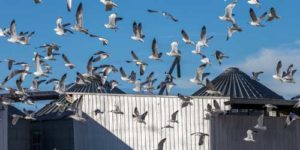
- Birds: Birds that become trapped often flap and strike nearby objects, creating chaotic sounds as they try to escape.
- Opossums: Their awkward movements mean opossums frequently bump into or knock over stored items while foraging at night.
- Rustling in Vents or Chimneys
Fluttering, flapping, or rustling that seems unpredictable is often a sign of birds or bats caught inside. Chimneys and vents are common areas where these noises originate. Wildlife that might be causing the sounds include:- Birds: Birds that become trapped often make frantic flapping and crashing sounds as they hit walls, vents, or chimneys while trying to escape.
- Bats: Bats may produce fast fluttering noises or high-pitched squeaks as they attempt to exit confined spaces such as attics or vents.
- Gnawing or Grinding in Walls
Rodents chew on hard surfaces like wood, plastic, and electrical wires to prevent their teeth from getting too long. These noises often repeat and are commonly heard at night or in the early morning when the home is quiet. Possible offenders include:- Squirrels: Often active during the day, squirrels make noticeable noises as they dash through wall cavities or other narrow spaces.
- Mice and Rats: These rodents are usually most active at night, with mice quietly foraging for food and rats chewing or moving through hidden areas after dark.
- Scratches in Walls
It’s natural to worry when you hear scratching, though the direction and pattern of the noise can offer useful clues. Does it seem to come from a single location, or does it shift around? These are the most common culprits:- Raccoons: Loud bumps and slow, deliberate scratching often occur at night as they move around inside the space.
- Carpenter Ants: Soft rustling or light tapping sounds may come from within wooden beams or structural areas where they’re active.
- Mice and Rats: Quick, subtle noises after dark, along with chewing or scurrying in hidden spots, often indicate these fast-moving rodents.
- Squirrels: Short bursts of scratching and swift movements are usually heard during daylight hours in walls or attic spaces.
Odd Noises Around Your House? Batzner Pest Control Can Help
Soft noises or loud thuds within walls can make anyone uneasy, yet we have the expertise to find the source and address it. Careful inspection reveals exactly which animal is behind the activity. In Wisconsin, wildlife is often more active during seasonal changes. Our exclusion services are designed to help keep them out for good.
Don’t wait! Reach out to Batzner Pest Control and reclaim your house from pests and wildlife.
Need a pest control estimate?
We'll call you! Our representatives are fast and friendly.