Roof Rats in Wisconsin
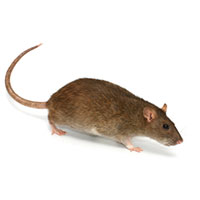
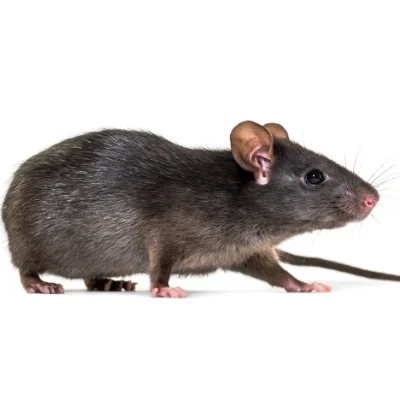
Roof rats aren’t considered an established pest in Wisconsin, but they can still turn up occasionally, often hitching a ride in cargo shipments and other cross-country freight. Like all rats, they depend on structures for shelter, and protection, and once inside they typically settle into attics, roof voids, eaves, and other elevated areas rather than basements or crawl spaces. One of the easiest ways to distinguish a roof rat from other rat species is by its tail. Unlike other rats, the roof rat has a hairless tail that also extends beyond the combined length of its head and body, instead of a typical short, hairy tail.
Roof Rat Habitat
Roof rats naturally seek out elevated nesting locations, including tree canopies, climbing vines, and dense shrubs. They have specialized pads on their feet that allow them to grip narrow branches, and their long tails provide balance as they climb. During the night, roof rats leave their nests to search for food, traveling along utility wires, tree limbs, fences, and rooftops to reach attics, garage storage areas, woodpiles, and other sheltered locations. Scratching or scampering sounds overhead are one of the earliest indications that roof rats have moved into a home.
Roof Rat Behaviors, Threats, or Dangers
Roof rats are capable of transmitting diseases, including salmonella, leptospirosis, and rat-bite fever. As they search for food, they contaminate food for people, pets, and livestock with their droppings and urine. Their diet includes both plants and animals, but they are particularly attracted to citrus fruits. They also feed on pet food, birdseed, grease, meat, and even pet waste, making storage sheds and outdoor grills attractive feeding sites.
In addition to contaminating food, roof rats cause costly structural damage. They love to nest inside attics and wall voids, where their constant gnawing strips insulation from electrical wiring. Damaged wires can create serious fire hazards if left unaddressed.
If you suspect roof rats have invaded your Wisconsin home or business, contact a licensed rodent control professional to inspect the property.
Need help with Roof Rats?
We'll call you! Leave your information below.
Leave your information below and we will give you a call back.
"*" indicates required fields
*During normal business hours. After hours inquiries will be returned the next business day.