
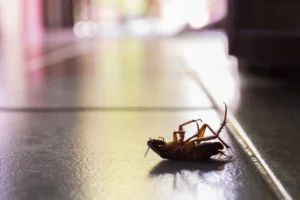
 Cockroach infestations are one of the most difficult pest problems to eliminate, especially in multifamily housing. German cockroaches reproduce incredibly quickly, making it possible for new generations to hatch before existing populations have been fully eliminated. Even a single infested apartment can quickly lead to problems across an entire building. Professional cockroach extermination is an essential part of a building-wide cleanout, but treatment alone won’t solve the problem. Property managers, maintenance staff, and residents all need to work toward long-term results. Without cooperation from tenants and ongoing building maintenance, cockroaches can easily reestablish themselves after treatment. Long-term success depends on a coordinated effort across the entire property. This guide explains what goes into a comprehensive German cockroach cleanout, what building managers should expect during the process, and the steps that keep infestations from returning.
Four Essential Steps for Building-Wide Cockroach Management
Successfully controlling German cockroaches in apartments and other multifamily properties requires more than treating individual units. Results depend on combining professional treatments, exclusion work, sanitation improvements, and building-wide cooperation into one coordinated strategy.
1. Professional Treatment Program
Trying to manage a large cockroach infestation with in-house maintenance staff is rarely effective and often becomes extremely time-consuming. A licensed pest management company has the products, equipment, and experience needed to carry out a comprehensive treatment program.
- Professional Bait Applications & Rotation: Your pest control provider will strategically place professional-grade gel baits in areas where cockroach activity is present. To reduce the likelihood of bait aversion, technicians rotate active ingredients and bait formulations every three to six months.
- Property-Wide Monitoring: Commercial glue boards are placed in apartments to monitor cockroach activity over time. These monitoring devices help technicians identify population trends, locate infestation hotspots, and evaluate how well treatments are working.
- Targeted Wall Treatments: Specialized formulations, including products such as boric acid or silica gel, are applied inside wall voids through plumbing penetrations, electrical outlets, and other access points. These treatments eliminate cockroaches moving between neighboring units.
- Insect Growth Regulator (IGR) Applications: Along with baiting programs, technicians may apply insect growth regulators that interfere with cockroach development. These products prevent immature roaches from reaching adulthood, preventing future population growth.
2. Seal Entry Points Throughout the Building
Cockroaches frequently move between apartments and enter buildings through small cracks, utility penetrations, and structural gaps. Limiting these travel routes is an important part of any long-term control program.
- Seal Plumbing Penetrations: Secure loose plates beneath sinks and behind toilets. Larger gaps surrounding plumbing should first be packed with copper mesh or stainless-steel wool before being sealed with expanding foam, because cockroaches cannot chew through metal.
- Close Interior Wall Gaps: Seal spaces where cabinets meet drywall, particularly in kitchens and bathrooms. These hidden cracks allow cockroaches to move freely between adjoining units.
- Protect Ventilation Systems: Install fine-mesh screening over bathroom and kitchen exhaust vents to prevent cockroaches from using ventilation systems to travel throughout the building.
- Install Door Sweeps: Properly fitted commercial-grade door sweeps reduce cockroach movement from shared hallways into individual apartments.
3. Improve Sanitation and Food Storage Practices
Even the best pest control treatments become less effective when cockroaches have easy access to food, moisture, and grease. Resident education is one of the most important, and sometimes most challenging, parts of a successful cockroach management program.
- Remove Moisture Sources: Cockroaches can survive much longer without food than without water. Encourage residents to repair leaking faucets, dry sinks overnight when possible, and regularly empty refrigerator drip pans.
- Store Food Properly: Food should be kept inside sealed containers, durable plastic bins, or airtight bags. Residents should also routinely vacuum, sweep, and mop kitchens while paying special attention to crumbs and grease beneath appliances and inside cabinets.
- Use HEPA Vacuums During Cleanouts: HEPA-filter vacuums remove live cockroaches as well as egg cases (oothecae), shed skins, and droppings that contain pheromones capable of attracting additional cockroaches.
- Provide Pre-Service Preparation Instructions: Before scheduled treatments, residents should receive a simple checklist explaining how to prepare their apartment, such as emptying kitchen cabinets and moving furniture away from walls. Proper preparation allows technicians to reach common hiding places and improves the effectiveness of the treatment.
4. Coordinate Response Efforts
Cockroaches rarely stay confined to a single apartment. Once an infestation develops, neighboring units can become affected after the insects travel through walls, plumbing, ceilings, and shared utility spaces. Building-wide coordination is crucial for successful long-term control.
- Inspect Adjacent Apartments: Whenever an infestation is discovered, management should schedule inspections of the surrounding apartments using the “block” or “cloverleaf” approach. This includes the units directly above, below, and on both sides of the affected apartment.
- Maintain High-Risk Common Areas: Shared areas require regular attention because they often become breeding sites for cockroaches. Trash chutes should be cleaned and treated routinely, compactor rooms should remain sanitary, and boiler rooms, utility rooms, and laundry facilities should be inspected and monitored on a regular schedule.
- Encourage Early Resident Reporting: Establish a no-fault reporting policy that encourages tenants to notify management as soon as cockroaches are observed. Residents should feel comfortable reporting pest activity without concern about fines, penalties, or eviction. Addressing infestations early greatly reduces the likelihood of widespread building infestations and costly treatments later.
Is Fumigation an Option for Building-Wide Cockroach Control?
Structural fumigation can eliminate German cockroaches, but it is rarely the most practical solution for apartment complexes, condominiums, or other multifamily properties. The biggest challenge is that every resident must leave the building for the duration of the treatment. No one is permitted to enter until the fumigation process is complete and the structure has been cleared for reentry. Coordinating temporary housing for every tenant can be difficult, and depending on local landlord-tenant regulations, property owners may also be responsible for relocation expenses. Another limitation is that fumigation leaves no lasting protection. Once residents move back in, cockroaches can easily be reintroduced. For most multifamily properties, a comprehensive Integrated Pest Management (IPM) program that combines targeted treatments, routine monitoring, sanitation improvements, and exclusion work provides more dependable, long-term results than a single fumigation service.
Why Multifamily Housing Cockroach Infestations Keep Coming Back
Even after professional treatments, German cockroach infestations will persist if the conditions that allowed them to spread are never addressed. Some of the most common reasons include:
- Treating Only One Apartment: Eliminating cockroaches from a single unit forces them into neighboring apartments through shared walls, plumbing lines, and utility penetrations. Nearby units should always be inspected and treated when necessary.
- Late Reporting: Infestations become much more difficult to control when residents wait to report them. A small problem in one apartment can spread throughout an entire building within a relatively short period of time.
- DIY Products Disrupt Professional Treatments: Aerosol sprays, bug bombs, and repellent products can drive cockroaches deeper into hidden areas. They may also contaminate professional bait placements, reducing treatment effectiveness.
- Failure to Rotate Baits: German cockroaches reproduce quickly and can gradually become less responsive to the same bait formulation. Rotating bait products and active ingredients maintains treatment performance over time.
- Common Areas Are Overlooked: Trash rooms, chutes, maintenance closets, utility rooms, and laundry facilities often support hidden cockroach populations. Ignoring these areas allows infestations to continue spreading throughout the building.
- Poor Sanitation and Excess Clutter: Accessible food, moisture, grease buildup, cardboard storage, and clutter provide nests for cockroaches and reduce the effectiveness of professional baiting programs.
Everyone Plays a Role in Successful Cockroach Management
| Tenant Responsibility | Management Responsibility | Pest Control Company Responsibility |
| Store food in sealed containers, clean dishes promptly, and maintain good sanitation. | Repair plumbing leaks and moisture problems throughout the property as quickly as possible. | Perform detailed inspections and use monitoring traps to measure cockroach activity. |
| Keep garbage contained and remove trash regularly. | Seal utility penetrations, structural gaps, and install door sweeps where needed. | Remove active infestations using commercial baits, dusts, and insect growth regulators. Rotate treatment products when appropriate. |
| Reduce clutter and avoid storing unnecessary cardboard boxes. | Schedule inspections of neighboring units whenever an infestation is discovered. | Vacuum cockroaches, egg cases, and debris from heavily infested areas using commercial equipment. |
| Report cockroach activity immediately and never use store-bought sprays or foggers. | Maintain regular cleaning schedules for trash rooms, compactors, laundry facilities, and other shared spaces. | Provide detailed reports identifying structural deficiencies, sanitation concerns, and recommendations. |
| Eliminate standing water by drying sinks overnight and addressing excess moisture. | Seal openings around vents, ductwork, and utility lines to reduce movement between units. | Train maintenance personnel to recognize early signs of cockroach activity and monitor high-risk areas. |
| Complete all preparation instructions before scheduled treatments. | Encourage prompt reporting by maintaining a resident-friendly reporting policy without unnecessary penalties. | Develop treatment strategies for high-risk locations, including utility corridors, trash facilities, and other shared areas. |
| Support sanitation efforts by working with residents when excessive clutter or housekeeping issues contribute to infestations. |
Long-Term Cockroach Prevention Requires Consistent Management
German cockroaches are extremely adaptable pests. No matter the type of property you manage, complete elimination is only one part of the process. Preventing new infestations requires continuous monitoring, regular maintenance, and cooperation between residents, management, and pest professionals. While outside pest pressure and new introductions cannot always be prevented, a proactive management program allows problems to be detected early, before the issue becomes established. Routine inspections, sanitation improvements, exclusion work, and scheduled treatments work together to keep cockroach populations under control for good.
Request a Pest Management Consultation for Your Property
A small cockroach problem can quickly spread throughout an entire apartment building if it isn’t addressed properly. Our commercial pest management specialists develop customized building-wide treatment strategies designed to reduce infestations, improve prevention efforts, and support long-term pest control. Contact us today to schedule an on-site consultation and learn how we can protect your property.


