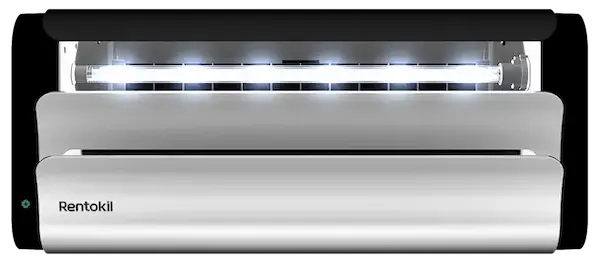
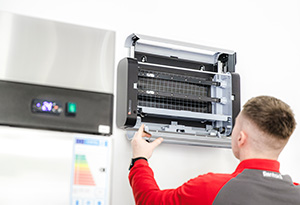
A Milwaukee based fly control experts installs a Lumnia electronic UV fly trap in a Wisconsin restaurant kitchenWho has time to deal with flies? Especially at your place of business, they’re more than just a nuisance. Flies are unsanitary, and a small fly infestation can develop into a severe problem in as little as a few weeks. To prevent this from happening, many business owners have started turning to the Lumnia LED Light Fly Trap.

Lumnia is the future of UV fly control, offering a truly effective solution to monitor and eliminate flying insects. To learn more about Lumnia Fly Lights and how they can help your business, call us today.

Features & Benefits

Effective solution at a lower cost – These high-attraction LED lamps are optimized to catch more flies while also using less energy than before. Compared to our competitors, the Lumnia insect light trap can save you up to 79% of energy usage.¹
Unbeatable attraction and capture rate – Lumnia is proven best in class, with up to 46% faster catch rate than equivalent LED insect light traps on the market.²
Environmentally friendly – Energy-saving modes adapt to the day-night cycle, reducing consumption and contributing to a lower environmental footprint. The low-energy LED lamps have a four-year life span and last 33% longer than competing LED traps on the market.³
Encapsulation module – Better hygiene control by using an adhesive film inside an encapsulation cassette to trap, collect, and contain insects, eliminating the risk of secondary infestations from debris.
No toxic chemicals – Lumnia does not use any mercury or any other chemical, creating a safer environment for everyone.
Discreet design – With its seamless design, customers won’t even know the Lumnia system is there. There’s minimal glare from LEDs and reduced visibility of caught flies. Units also switch between Monitor and Control modes to suit customer and location requirements.
Expansive coverage – With a greater coverage area than any competitor fluorescent insect light trap on the market, up to 2,690 sqft, you and your customers will have nothing to worry about.⁴
Reduced carbon footprint – Fewer carbon emissions equivalent to 73 years of daily cell phone charging.⁵

How the Lumnia LED Fly Trap Works

Lumnia’s LEDs emit a wavelength of light that is 40% greater than traditional fluorescent tubes. This makes Lumnia attractive to flies over a greater range than other electronic fly traps. Lumnia has three power levels – low, medium, and high – so energy usage can be reduced when not needed. 

Each power level also has an adaptive mode that senses the level of ambient light and reduces power automatically if the light level falls, for example, at night. Glue boards capture and kill flying insects quickly and efficiently, and reduce the fragmentation or blowout of dead pests, without the need for a catch tray and unpleasant clean-up.

Meet the Lumnia Product Line

The Lumnia line consists of four models, which offer versatility for both front-of-house and back-of-house applications:

  • Lumnia Mini has one LED bulb. Our smallest and most discreet insect light trap, Lumnia Mini is easy to hide in plain view or tuck away out of sight, even in customer-facing areas.
  • Lumnia Slim has one LED bulb. Its modern, streamlined appearance means its function is not obvious to customers, making it ideal for high-traffic areas and front-of-house.
  • Lumnia Compact utilizes one LED bulb and is ideal for public-facing areas and smaller back-of-house applications.
  • Lumnia Standard features two LED bulbs and integrates easily into businesses of all sizes.
  • Lumnia Ultimate has three LED bulbs. It’s a powerful insect light trap designed to meet the needs of high-dependency businesses and facilities that must comply with strict food safety, regulatory compliance, and third-party audit standards.


Meet the Lumnia range

Whether you have a high-traffic area or a sensitive environment that calls for round-the-clock vigilance against flies, there’s a Lumnia that’s right for your business.
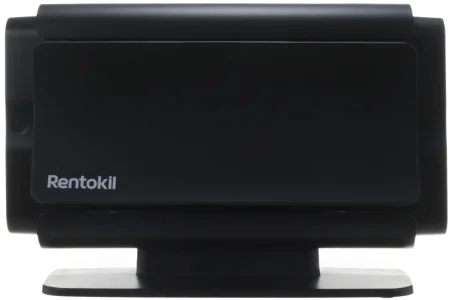
Lumnia Slim
Lumnia Slim
Lumnia Compact
Lumnia Compact
Lumnia Standard
Lumnia Standard
Lumnia Ultimate
Lumnia Ultimate
Description
Lumnia Slim 
Lumnia Compact 
Lumnia Standard 
Lumnia Ultimate 
Model Number 305027300605304807300602
# of Lamps 1123
Total Watts 10112233
Max Power Consumption 12W12W27W30W
Voltage Range100-240 Volt100-240 Volt100-240 Volt 100-240 Volt
ApprovalUL ApprovedUL ApprovedUL ApprovedUL Approved
Lamp Life3 Years3 Years 3 Years3 Years
Energy SavingsUp to 67%Up to 78%Up to 77%Up to 79%
Color OptionsBlack and WhiteStandard Silver, Champagne, Black, Blue, and RedSilverSilver
Glueboard or EncapsulatedGlueboard unitGlueboard unitBothBoth


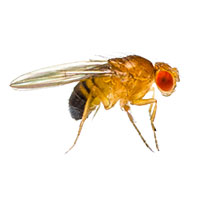
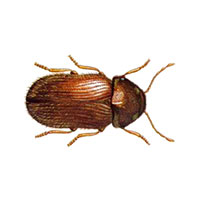
Lumnia Targets the Following Pests:

Comprehensive Fly Control with Lumnia and Batzner Pest Control

The Lumnia electronic fly control system provides flexibility for all your commercial pest control needs, whether you need help in a public-facing area like a waiting room or hotel lobby, or a high-risk application like food processing, commercial property management, or healthcare.

Lumnia brings peace of mind by reducing the risk of contamination from flying insects and providing effective, long-term protection for your business. Contact Batzner to book your free inspection today.

¹Findings based on comparison study conducted by Rentokil Initial in 2019 between Lumnia models (on Low Power Mode setting) and various fluorescent bulb insect light traps.

²Findings based on a controlled laboratory catch rate study conducted by Rentokil Initial in 2023 using the Lumnia Standard versus five competitor models.

³Four-year lamp life based on manufacturer testing of Lumnia LED lamps; lifespan percentage based on available competitor claims as of October 2023.

⁴Findings based on study conducted by Rentokil Initial in 2023 comparing max coverage area using Lumnia Standard model in a dark room versus the claimed max coverage area of competitor fluorescent bulb insect light trap units.

⁵Findings based on calculations of Lumnia Compact vs average competitor units using traditional fluorescent tubes over a 5-year period based on product life cycle using the U.S. Environmental Protection Agency’s Greenhouse Gas Equivalencies Calculator.