Honey Bee

Honeybee identification in Wisconsin - New Berlin, Green Bay, Milwaukee, Madison, Racine and surrounding areas

Honey Bees in Wisconsin

Honey bees mainly feed on pollen and nectar collected from blooming flowers. These bees are active pollinators that, true to name, produce honey. Their colonies can survive for years. Queen honey bees are slightly larger than male honey bees, also known as drones. They are found all over the nation and pollinate more than 100 types of crops.

Honey bee colonies often contain anywhere from 20,000 to 60,000 members at any given time. Operating according to a caste system, honey bees each perform a specific role in the colony. The two main types are Africanized honey bees and European honey bees. The latter is much more aggressive than the former. Honey bees will swarm when the colony becomes too large for its hive.

Honey Bee Habitat & Nests

Honey bees can thrive in natural or domesticated environments, though they prefer to live in gardens, woodlands, orchards, meadows, and other areas where flowering plants are abundant. Within their natural habitat, honey bees build nests inside tree cavities, rock crevices, and under edges of objects to hide from predators. They can also be found in chimneys, wall cavities, or roof spaces. They make their nests out of wax secreted from the abdominal glands of the worker honey bees. Workers sweep up a few flakes of wax from their abdomens chewing them until the wax becomes soft enough to mold into cells to form the hive.

Honey Bee Behaviors & Dangers

Even though they are not aggressive or sting unless they feel threatened, most people still associate the insects with stings. When a honey bee stings, the stinger, venom sac, and other parts of the bee become detached from the body, which causes them to die. Since the glands associated with the venom sac continue to pump venom into the victim even after the bee dies, the stinger should be removed immediately. Though painful, honey bee stings are only dangerous to people with bee allergies.

In addition to posing the threat of stinging, honey bees can damage homes and other structures when they build nests in wall cavities. As the nests expand over time, the size and presence of both honey and beeswax may cause the surrounding plaster and drywall to sag or become stained. If you notice a honey bee problem forming in or near your property, always contact your local bee control experts.

Opossum

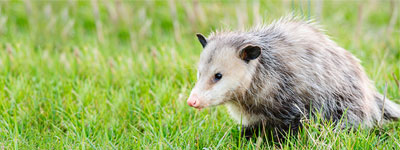
Opossum identification in Wisconsin - New Berlin, Green Bay, Milwaukee, Madison, Racine and surrounding areas

Opossum Diet

The diet of the opossum is very adaptable to the environment they find themselves in, making them opportunistic eaters. If it smells good and is easily accessible, they will eat it. Opossums eat anything from insects, fruit, plants, slugs, snails, rats, mice, frogs, crayfish, and carrion, as well as pet food or food, left unsecured in garbage cans.

Opossum Habitat

Opossums are not picky when it comes to their habitat, found anywhere from open woods, brushy shrublands, farmlands, parks, suburbs, and even in urban areas. They may occupy abandoned dens of other species, or live in hollow logs, tree holes, under porches, or in crawl spaces. No matter where they are, there will always be a reliable water supply nearby.

Opossum control and removal - Batzner Pest Control in Wisconsin

Opossum Life Cycle

Opossums are solitary animals except during their breeding season, which occurs between February and August. A female reaches sexual maturity by one year of age. After its first year, the female opossum is capable of having up to two litters of 8-14 young. After 12 to 13 days of gestation, the tiny newborns crawl up into their mother’s fur-lined pouch where they will be nurtured by her mammary secretions. The young remain in the pouch for eight or nine weeks while they grow at a fast rate. By 14 weeks of age, the young opossums are weaned and are left to fend for themselves.

Opossum Damage & Disease

Although an opossum has a relatively fearsome face and bears some resemblance to rats with their long tails, they are not generally dangerous. They also rarely carry rabies, which is a common concern, especially for pet owners. They can bite and defend themselves, but they are not considered much of a threat.

Disease

There are only a few diseases that are associated with opossums. They tend to have lower incidents of rabies than other wildlife pests, but they might carry: Leptospirosis, Tuberculosis, Relapsing fever, Tularemia, Spotted fever, Toxoplasmosis. Several of these actually come from the parasites that opossums carry with them, and can become serious.

Home Damage

Opossums are very opportunistic. If there is already a hole in the roof, they might use it to get into attics, but they will rarely dig or chew those holes themselves.

Lawn Damage

They might dig in your lawn looking for grubs and other insects that lurk just below the surface level.

Opossum Prevention & Control

Opossum Prevention

Like many pests, the best way to get rid of them is to make changes to your home and property so that opossums do not find your home attractive. This means doing things like:

  • Removing vegetation and debris from your property to remove hiding places.
  • Securing lids on garbage cans and containers.
  • Bringing pet food inside.
  • Making sure that holes and entry points around your home are secured.
  • Trimming the trees around your home. Opossums are excellent climbers and will use trees to get onto your roof.
  • Sealing up areas beneath your deck or porch to eliminate places for them to hide.
Opossum Control

Much of wildlife control is knowing and understanding the habitat and behavior of the animal. Opossums are transient animals, and typically move on after a couple of days. If necessary, live trapping can be done with canned cat food or apples.

If you’re having problems with opossums around your home or business, contact a pest control professional for expert removal services.

Raccoon

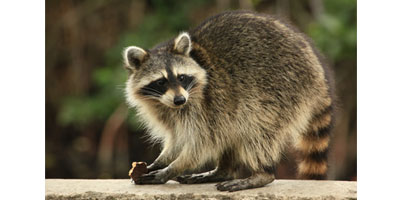
Raccoon identification in Wisconsin - New Berlin, Green Bay, Milwaukee, Madison, Racine and surrounding areas

Raccoon Diet

Raccoons are omnivores and stick to a balanced diet of plants, insects, and small mammals. Some food sources include beetle larvae, berries, nuts, apples, fungi, earthworms, crayfish, pet food, mice, rabbits, and squirrels. Gardens, especially ones containing sweetcorn, are another prime target for the pests. In urban areas, where their natural food sources are limited, raccoons are notorious for scavenging trash and compost.

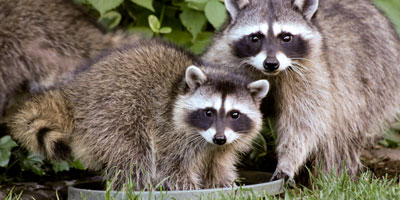
Raccoon control and removal - Batzner Pest Control in Wisconsin
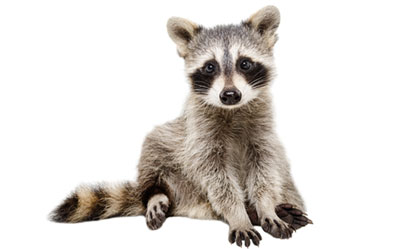
Raccoon control and prevention - Batzner Pest Control in Wisconsin

Raccoon Habitat

Raccoons are extremely adaptable. Typically, raccoons live in heavily wooded areas near trees, water, and abundant vegetation, making their dens in the hollow parts of trees or abandoned burrows. In suburban and urban areas, they make their homes in man-made structures like attics, sewers, barns, and sheds.

Raccoon Life Cycle

Raccoon mating season starts in late winter and stretches to the late spring months. Females will mate with several males before the season is over. As raccoons prefer to dwell in dens and similar spaces, they often settle in rock crevices, tree cavities, caves, farm buildings, storm sewers, hollow logs, and chimneys to give birth and raise the young. An average raccoon litter produces three to five offspring, though the mammal is capable of having up to seven cubs at a time. The gestation period lasts about 63 days, and it takes another two to four months to wean the cubs. Mothers are very protective of their young until they separate after about a year. Adults live in loose-knit communities of four or five raccoons for better protection against predators. Raccoons have been known to live for 17 years, though few live past six years of age due to the many dangers and potential problems encountered in the wild.

Raccoon control and removal - Batzner Pest Control in Wisconsin

Signs of a Raccoon Infestation

  • Yard Damage: Overturned turf as a result of grubbing
  • Crop Damage: Chewed sweet corn, hollowed-out watermelons
  • Sightings: The sighting of an adult raccoon
  • Odor: Unpleasant odors produced by urine and feces
  • Property Damage: Damage to shingles, rooftop ventilators, or attic insulation
  • Trash: The disruption of trash cans usually indicates the presence of the pest

Raccoon Damage

Raccoons can be extremely destructive due to their curiosity, intelligence, dexterity, and climbing skills.

Health Risks & Diseases

Raccoons pose threats to the health and well-being of humans and household pets, as well as gardens and lawns because they carry diseases – either themselves or from the parasites on their bodies. The pests are known vectors of several diseases transferable to humans. While rabies serves as the most notable and common threat raccoons pose to human health, the animals also carry leptospirosis, Chagas disease, and tularemia. Additionally, raccoons are often infested with ticks and fleas, which can be transferred to pets.

Property Damage

Property damage caused by raccoons is most commonly due to their desire to get food and seeking shelter. A raccoon will often try to find shelter in attics and other areas in your home. To get into attics, chimneys, and other den-like areas of homes, raccoons tend to cause structural damage by shredding insulation, prying off singles and fascia boards, and breaking vent covers and windows. Garbage cans, containers, and other structures can be torn apart by their very strong hands that are each topped with strong, non-retractable claws.

Lawn Damage

Given that raccoons like to dig for grubs and beetles and other insects, they might also dig up your garden. They are opportunistic eaters and might eat plants, vegetables, and fruit that you are growing in your garden.

Dangers

Social and aggressive when cornered, raccoons pose many problems to people and house pets. With sharp nails and long, slender feet, the pest is a skilled scavenger and climber and easily transmits diseases through scratches and bites.

Raccoon Prevention & Control

Raccoon Prevention

Simple preventative steps and minor repairs will discourage raccoons and other pests from invading your property.

Secure Trash Cans
Wisconsin homeowners may limit raccoon food sources by making sure all trash receptacles have secure lids. To prevent the containers from tipping over, residents should consider binding trash cans to posts with wire or cords.

Habitat Modification
Like most pests, invading raccoons are looking for areas that provide shelter, food, and water. Therefore, limiting access to the basic necessities effectively prevents the pests from settling in homes.

Limit Food & Shelter
Bringing in any outdoor pet food and water and purchasing special fences for gardens also deters raccoons from hanging around the house. To limit options for shelter, homeowners should consider eliminating tree branches that hang over roofs.

Exclusion
Covering chimneys with fire code-appropriate caps remains an effective way of keeping raccoons from nesting.

Landscaping
Thinning overgrown shrubs, removing woodpiles, and fixing holes that lead under porch areas also reduces the chances of a raccoon infestation.

Raccoon Control

Much in wildlife control is about knowing and understanding breeding cycles. For raccoons, exclusion is a key element in solving the problem, but a nesting mother can create tremendous damage attempting to get back in if separated from her nest. Raccoons are easily frightened and may quickly become aggressive when approached by humans.

Batzner Pest Control uses insight on raccoon biology and behavior to approach raccoon control humanely and effectively with the following steps:

  1. Identifying raccoon entry points: First things first, your specialist uncovers how raccoons are getting in.
  2. Raccoon removal: We then take a safe, ethical approach to removing them.
  3. Keeping raccoons out: Finally, your specialist will suggest repairs and exclusion techniques prevent future problems.

Methods of removal include live-trapping and exclusion. Typically, these methods require special certifications or licenses. Given the threats, the pests pose to human health, attempting to remove raccoons from the home without professional assistance is inadvisable.

As a result, homeowners should refrain from removing or attempting to remove raccoons without the help of a pest control professional. Count on a professional pest management service to take care of the problem knowledgeably and successfully.

Clothes Moth

Clothes moths control at Batzner Pest Control in Wisconsin - Serving New Berlin, Green Bay, Milwaukee, Madison, Racine and surrounding areas
Clothes moth - Moth extermination and control services in Wisconsin by Batzner Pest Control
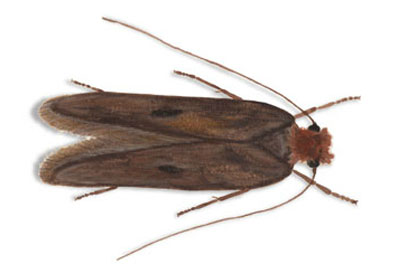
Casemaking Clothes Moth
Webbing clothes moth - moth extermination and control services in Wisconsin by Batzner Pest Control
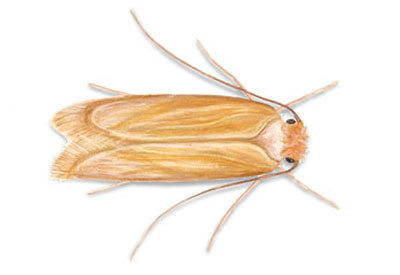
Webbing Clothes Moth
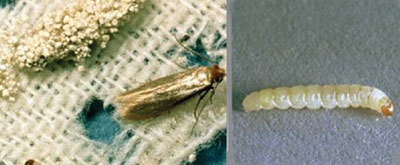
Clothes moth caterpillars - Moth extermination, control, and removal services by Batzner Pest Control in Wisconsin
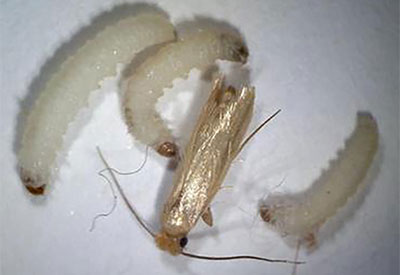
Clothes Moth Caterpillars

Clothes Moth Diet

Fabric moths tend to target clothing stores, museums, and coat closets, attics, and furniture in homes to feed on wool clothes, natural carpets, furs, stored wool, and piano felts. Case-making clothes moths will also feed on stored plant materials, such as spices and tobacco.

Clothes Moth Habitat

Casemaking clothes moth
Usually protected in a case made of silk and fibers of feeding material.

Webbing clothes moth
Often found in a network of silken tubing. Larvae may be difficult to spot as they hide in a network of silken tubing.

Casemaking clothes moths - Moth extermination services by Batzner Pest Control in Wisconsin

Casemaking Clothes Moth Life Cycle

The female deposits 37-48 eggs singly or in small groups. Hatching occurs in four to seven days. Caterpillar development is complete in 68-87 days, and pupation takes place in the larval feeding case after both ends are sealed. The life cycle is completed within three to eight months, and there are three to four generations per year.

Webbing clothes moth - Moth extermination and control in Wisconsin by Batzner Pest Control

Webbing Clothes Moth Life Cycle

The female lays 40-100 eggs in her lifetime in batches of about 25. Eggs are deposited singly or in batches between threads on cloth surfaces. Hatching occurs in about seven days. Caterpillar development includes 5-45 stages (molts) and can last from 35 days to 2.5 years. Caterpillars make cocoons for pupation. Males live 13-79 days; females 10-48 days. The entire life cycle completion usually takes three to eight months.

Signs of a Clothes Moth Infestation

One of the first signs of a clothes moth infestation is likely to be the telltale holes in clothing, wool carpets, curtains, and furniture. That’s because moths like to lay their eggs in places where the larva will hatch and then devour fabric such as clothing, upholstery, carpeting, and other fabrics. The adult moths do not eat fabric and clothing, but they will reproduce and create more larvae that will.

While the first thing most people notice is the damage caused to clothes, fabrics, or carpets, there are other indicators of a moth infestation:

  • Small maggot-like larvae (moth caterpillars)
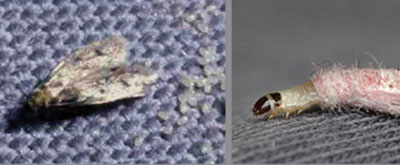
  • Silken tubes or cases in which the moth larvae live
  • Pupae (silk cocoons) from which larvae emerge as moths
  • Adult moths often crawling rather than flying
  • Insect debris (droppings and/or silk threads) around the damaged area

Clothes Moth Damage

Fabric pests are usually attracted to natural fabric items such as carpets, tapestries, rugs, leather book bindings, upholstered furniture, silks, and feathered items. Case-making clothes moths do extensive damage to woolens, felts, upholstered furniture, and clothes. Webbing clothes moths damage a variety of animal products, including wool, fur, skins, clothing, carpets, upholstered furniture, and felt.

Rugs

The most common item that gets damaged by fabric pests is wool rugs. As woolen rugs can be expensive, it is strongly recommended you check them frequently for signs of fabric pests.

Woolen Products

In general, untreated woolens stored unprotected in cupboards for several months are more prone to insect damage. Wool textiles infrequent use and regularly washed or dry cleaned are unlikely to suffer damage from fabric pests unless infestations occur nearby.

Knitted Goods

Insect damage to fabrics and fine knitted goods usually takes the form of irregularly shaped holes where yarns have been completely severed and eaten, much like the damage small caterpillars can do to the leaves of plants.

Other Items at Risk

Other items include pillows, mattresses, cushions, and furniture with traditional fillings such as feathers or horsehair. Brushes and paint brushes made with natural bristles and pads and felts in woodwind instruments (especially if stored for long periods of time) may also be found with damage.

Clothes Moth Prevention & Control

Clothes Moth Prevention

To reduce the risks of a clothes moth infestation, follow the steps below:

  • Depending on the species, simply vacuuming regularly can make the home environment unsuitable for the pests.
  • Promptly launder all clothes and fabrics stained with food products or bodily fluids.
  • Additionally, storage bins containing products that moths like to feed on should be carefully cleaned between uses.
Clothes Moth Control

We can help you with our full range of effective solutions to treat infestations and eliminate your moth problem. Our effective treatment is suitable for eliminating moths, eggs, and larvae in delicate items that cannot be laundered.

Prior to recommending a moth control solution, your specialist will properly identify the species affecting your property. Correctly identifying the invading species is key to removal. Different moth pest species require different treatment methods to effectively control them. For the fabric moth pests, vacuuming, sanitation, proper storage, liquid sprays, and dust are commonly used.

  • In the case of fabric moths, dry cleaning the affected garments may effectively kill adults, larvae, and eggs.
  • Where possible, regularly washing fabric items and carefully storing clothes, will also help to keep your items safe from damage.
  • Extreme cold or heat kills any moth species, so freezing or heating food items to do away with stored product moths remains an option.
  • Non-chemical solutions include the simple act of vacuuming. This plays an important role in removing cast skins and eggs, which helps to break the natural life cycle of fabric pests and reduce their population on your property. Ensure your vacuum upholstered furniture and underneath items of furniture, not just carpets, and rugs. Carpet edges next to skirting boards and pet bedding should also be carefully vacuumed. It is important to immediately discard the content of your vacuum cleaner outside of your property.
  • If you intend to store clothing for a long time, you should ensure all items have been washed and are clean. Wrap up items in plastic to keep them safe from fabric pests.

Monitoring using various traps including pheromone traps where applicable is done thereafter to ensure moth problems do not persist.

For unusually persistent infestations of moths, count on a professional pest management service to take care of the problem knowledgeably and successfully.

House Mouse

House mouse identification from Batzner Pest Control in Wisconsin - Serving New Berlin, Green Bay, Milwaukee, Madison, Racine and surrounding areas

House Mice in Wisconsin

House mice can squeeze through dime-sized cracks to gain entry into homes and buildings. House mouse fur varies in color from light brown to black, while the underbelly typically appears beige. Interestingly, the closer a house mouse lives in relation to humans, the darker the fur becomes. House mice nibble on small amounts of food, eating at dusk and before dawn. They are omnivores with a diet focused on seeds, roots, leaves, and stems. Female house mice can produce between 5 and 10 litters per year, with each litter containing anywhere from 5 to 12 young. They are dependent upon human activity for shelter and survival, which is why they are such a common household pest.

House Mouse Habitat

House mice thrive in various environments and are found in and around both homes and businesses, making their homes in wall voids, storage boxes, attics, barns, sheds, basements, crawl spaces, cabinets, warehouses, and many other similar locations. During the fall and winter months, the colder temperatures drive these mice indoors, seeking shelter. House mice prefer to nest in dark, secluded areas and often build nests out of paper products, cotton, packing materials, wall insulation, and fabrics. House mice are nocturnal, but they can be spotted during the day.

House Mouse Habits & Dangers

The house mouse is omnivorous but prefers grains and cereals. House mice contaminate food and are implicated in the transmission of diseases such as salmonella and bubonic plague. The house mouse can cause significant damage to structures by gnawing and tunneling through walls. Mice have also been implicated in the generation of fires and explosions in homes and buildings. Chewed, exposed wires inside walls can spark, causing interior walls to catch fire.

If you have a house mouse infestation in your Wisconsin property, contact your local rodent control experts!

Norway Rat

Norway rat identification from Batzner Pest Control in Wisconsin - Serving New Berlin, Green Bay, Milwaukee, Madison, Racine and surrounding areas

Norway Rats in Wisconsin

Norway rats are color-blind, but aside from their vision, their senses are keen (touch with long whiskers). They are nocturnal and can run, climb, jump, swim, and more. Norway rats will eat nearly any type of food, but if given a choice, they select fresh food over stale or contaminated foods. They prefer cereal grains, meats and fish, nuts, and fruit. Food items in household garbage offer a balanced diet and also satisfy their moisture needs. When food sources become scarce, Norway rats may resort to cannibalism and prey on younger, weaker rats. In general, the rodents are opportunistic and feed on anything discovered while foraging. They also are known to be more aggressive than other types of rats.

Norway Rat Habitat

Norway rats prefer to live in underground tunnels or burrows. Inside, they are often found in crawl spaces, basements, attics, or ceiling areas. Burrows of new, establishing rat populations are between 12-20 inches long. As the population grows, the burrows are enlarged and connect with other burrows to form a network of underground tunnels. Ground burrows usually have one central opening used for an entrance or exit and a couple of holes used for escaping. As the rat population increases and if food or water sources are limited, fighting will begin to defend territories. Dominant rats feed at night and are mostly nocturnal. The rats lower in rank are forced to reside in a section of the burrow further from food or water sources. They will feed and be active when the dominant rats are not active. Seeing rats active during the daytime often indicates a large population.

Norway Rat Habits & Dangers

By foraging persistently and gnawing on objects repeatedly, Norway rats cause damage to food, crops, and structures. Furthermore, the rodents engage in burrowing activities, which may lead to damage to gardens and landscaping. Historically, these rodents inspired horror and were largely responsible for spreading the bubonic plague in the 1300s. Also called the Black Death, the plague wiped out vast numbers of the world population. Though rats do not facilitate the same level of devastation today, the pests regularly carry pathogens for other harmful diseases.

If you have a Norway rats infestation in your Wisconsin property, contact your local rodent control experts!

Carpenter Bee

graphic that shows what a carpenter bee actually looks like

Carpenter Bees in Wisconsin

Though carpenter bees, as their name would suggest, are commonly found in and around wood, the insects do not actually eat the timber. Like most bee species, carpenter bees forage on flowering plants, feeding on nectar. This is how the females collect pollen for their offspring. In contrast to the social tendencies of bumble and honey bees, carpenter bees lead solitary lives, as each female individually mates with a male to produce offspring. Mating takes place during the spring, and females then set to work cleaning out and enlarging tunnels left by earlier generations or excavate new ones in exposed, dry wood.

Carpenter Bee Habitat & Nests

Carpenter bees do not live in nests or colonies. Adult carpenter bees overwinter in abandoned nest tunnels where they have stored limited pollen to survive the colder temperatures. The bees that survive the winter will emerge in the spring to feed on nectar, mate, and build galleries. They may reuse an already existing gallery or they may excavate new galleries. Carpenter bee nests can often be found in decks, eaves, fascia boards, doors, railings, window trim, and other wooden surfaces. They prefer the wood from redwood, cedar, pine, and cypress trees and target wood that is unpainted, untreated, and weathered. However, they occasionally target painted and primed wood as well.

The tunnels they excavate into wooden surfaces are only for nurturing their eggs and young. Nests usually consist of tunnels half of an inch in diameter and 6-10″ deep and may include several brood chambers. Carpenter bees may buzz like saws when constructing nests (hence their name), but they do not eat the wood, as they cannot digest cellulose.

Carpenter Bee Behaviors & Threats

Female carpenter bees can sting in defense if provoked, but males, which may appear a bit more aggressive and territorial, cannot sting. It may be surprising to learn that this is one of the least aggressive stinging insects encountered in the summer months. Carpenter bees are considered pests because they drill holes in wooden structures; however, their contribution to pollination far outweighs any damage to structures. In general, carpenter bees do not pose much of a problem for homes and businesses, but generations of carpenter bees tunneling into the same wood can lead to significant structural damage. The carpenter bee produces broods that return to the same nest location to begin additional nests, creating trouble for those structures and homes with an infestation. Additionally, the larvae developing in homes are attractive to woodpeckers and create more extensive damage to the existing holes while creating unwanted noise.

If you have a carpenter bee problem forming in or near your property, always contact your local bee control company.

Deer Mouse

Deer mouse identification in Wisconsin - Batzner Pest ControlServing New Berlin, Green Bay, Milwaukee, Madison, Racine and surrounding areas.

Deer Mice in Wisconsin

The common name of the deer mouse comes from the coloration of the rodent, which resembles a white-tailed deer. Omnivorous and adaptable, deer mice tend to be opportunistic eaters when they inhabit homes and buildings. In nature, the rodents target various invertebrates, seeds, fruits, grains, fungi, flowers, and nuts. The deer mouse typically lives a year in the wild but can survive for two or three years in captivity. These rodents are a common problem in agricultural areas, and will sometimes look for shelter in homes over winter. Their true danger lies in the fact that they are common carriers of hantavirus.

Deer Mouse Habits

As nocturnal rodents, deer mice rarely leave their well-hidden nests during the day. They nest in burrows, rock crevices, brush piles, and tree holes. Nests are made with a soft, insulating material, including moss, dried grass, leaves, and feathers. A nest may be inhabited by a family of deer mice consisting of the parents and several young. Over the course of a year, a family of deer mice may utilize several nests, typically abandoning a nest after it has become fouled with feces and waste. During colder months deer mice seek shelter inside and enter buildings. They are excellent climbers and can be found in even upper levels of structures, including attics.

Deer Mouse Habits & Dangers

Throughout most of the year, deer mice nest in outdoor areas that are quiet, dark, and undisturbed. When the weather gets colder during winter, deer mice tend to invade homes, garages, sheds, and sometimes even vehicles. When they get indoors, they are often found in basements or attics. Deer mice can leave greasy stains (sebum) on walls, windows, and other surfaces. The biggest threat of deer mice is that they are able to transmit the dangerous—and potentially fatal—hantavirus. This disease is often transmitted through contact with mouse carcasses, or by breathing in air-borne urine droplets from infected deer mice.

If you have a deer mouse infestation in your Wisconsin property, contact your local rodent control experts!

Pigeon

Pigeon control at Batzner Pest Control in Wisconsin - Serving New Berlin, Green Bay, Milwaukee, Madison, Racine and surrounding areas

Pigeons in Wisconsin

Although a pigeon’s natural food source is grain and seeds, they survive in towns and cities by scavenging processed food matter, especially food from trash cans.

Pigeon Habitat & Nesting

Pigeons like to shelter in seemingly inhospitable areas of tall buildings. They will make use of balconies, ledges, flat roofs, guttering, and loft spaces in particular, as they are capable of lifting damaged or loose roof coverings to force entry. The nest is flimsy, saucer-like in shape, and made of stems, and leaves.

Pigeon Mating & Life Cycle

Pigeons have two to three broods per year, with two eggs in each. There is a 17-19 day incubation period and then the young spend 35-37 days in the nest. Pigeons live 4-12 years.

Pigeon Infestations & Damage

If you regularly notice flocks of pigeons, nesting materials, or droppings around your property, you may have an infestation problem. The presence of pigeons and their feces represents a potential health hazard to people.
Serious Diseases

Pigeons are carriers of diseases such as salmonella and psittacosis (commonly known as pigeon fancier’s lung).

Pigeon Droppings

Droppings provide the ideal environment for organisms causing diseases to thrive. Pigeon droppings and pigeon debris not only look unpleasant, but they can directly damage the structure of a building due to the concentration of uric acid found in droppings. Pigeon droppings can erode metal, stain wood, discolor paint, and damage stone and brickwork (tar-based roofing materials are particularly vulnerable to this type of erosion).

Loss of Customers

Large quantities of droppings and the presence of pigeons on properties could cause customers to turn away from businesses.

Other Pests

Pigeons are hosts to fleas and other parasites such as ticks and bird mites. These pests can be spread to other hosts, including people.

Drainage Problems

Nest debris and feathers can also block gutters and rainwater drainage systems, potentially leading to damage to your business from water penetration.

Pigeon Prevention & Control

Pigeon Prevention

One of the most successful long-term measures for pigeon control is the removal of their food source, however, in busy urban areas, this is not always practical. There is a range of pigeon deterrent solutions available for commercial properties, which could help to prevent pigeons from roosting and nesting on your property, including netting, spikes, or electrical deterrents.

Pigeon Control

Bird Control Services provides customized solutions to address bird concerns through removal, exclusion, and deterrence. Factors that determine the best method of control include an area of application, bird species, location, access. Spikes, netting, and electrical deterrents are the most commonly used solutions.

Bird services are limited to commercial clients.

Sparrow

Sparrow control at Batzner Pest Control in Wisconsin - Serving New Berlin, Green Bay, Milwaukee, Madison, Racine and surrounding areas

Sparrows in Wisconsin

One of the most widespread and abundant songbirds in the world today, sparrows are opportunistic, aggressive, and persistent, and they’ll drive out and displace desirable native songbirds.

Sparrow Diet

They eat mostly seeds and a great majority of their diet is weed and grass seeds or waste grain. Sparrows will also eat some insects, especially in summer. In urban surroundings, they will scavenge crumbs of food left by humans.

Sparrow Habitat & Nesting

The male and female sparrows use grass, twigs, paper, garbage, and debris to weave into nests. These nests can be found in tree cavities, window sills, ledges, crevices, corners, beneath air conditioner window units, in chimneys, and just about any other place they can find the space. Nests are used year after year, resulting in a build-up of nest debris and insects associated with their nests.

Sparrow Mating & Life Cycle

In courtship, male displays by hopping near female with his tail raised, wings drooped, chest puffed out, bowing, and chirping. The breeding season runs through Spring and Summer and up to three broods of three to six greenish-white eggs may be laid in this time. A 10-14 day incubation period is done by both parents. The young, fed by both parents, leave the nest about two weeks after hatching. Sparrows live for four to seven years.

Sparrow Health Risks & Damage

Sparrows make their way into livestock food and water supplies, which contaminates both. The house sparrow is a significant pest to the food industry because of the risk of contamination from their droppings and the damage done to packaged goods. Both livestock and humans are in danger of contracting illnesses if they come into contact with sparrow droppings. Generally, the birds do not harm humans and are only considered a nuisance, but they may swoop to defend their offspring.

Nesting sparrows can be very noisy, especially since they strongly prefer to nest in or around buildings. Aside from the noise they make, their habit of packing nesting material in stove, dryer and fan vents and A/C and HVAC units create more serious problems. Dust, parasites, and other things that cause health problems can be sucked into structures and spread into the air. Additionally, they often carry ticks, mites, and other parasites that, given their nest-building habits, can transfer to people.

Sparrow Prevention & Control

Sparrow Prevention

Excluding house sparrows from building nests in places they are unwanted is the best approach to prevention. Install covers over vents and screening over louvers before birds find their way inside. House sparrows will help themselves to food and dropped crumbs found outdoors. Promptly cleaning up is the best way to discourage visits.

Sparrow Control

Bird Control Services provides customized solutions to address bird concerns through removal, exclusion, and deterrence. Factors that determine the best method of control include an area of application, bird species, location, access. Spikes, netting, and electrical deterrents are the most commonly used solutions.

If issues with sparrows arise, count on a professional pest management service to take care of the problem knowledgeably and successfully. Bird services are limited to commercial clients.