
Key Takeaways
- Most DIY repellents rely on temporary scents that rodents quickly learn to ignore once they realize no physical threat is present.
- Using ineffective home remedies allows infestations to grow rapidly, increasing the risk of property damage and disease transmission.
- Physical exclusion is the only effective DIY strategy, as it focuses on permanently blocking entry points with bite-proof materials.
- Professional intervention is essential for existing infestations because repellents are only intended for minor prevention, not total elimination.
Should You Try DIY Rodent Repellents?
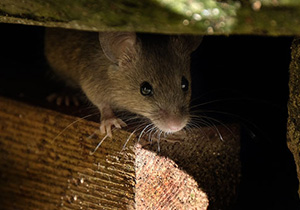
Got rodents in your house? When confronted with this situation, many homeowners want to try DIY rodent repellents before calling a rodent control specialist for help. But is this the right approach? A lot of it depends on the exact nature of the rodent problem you’re dealing with. While rodent repellents can have some helpful effect, rats and mice can be elusive and they breed prolifically. If you’re already dealing with an infestation, repellents probably won’t help.
Rodent repellents are best used as part of an overall rodent prevention strategy – not the entire strategy – before rodents are present in your home. The rodent experts at Batzner Pest Control have compiled some common DIY rodent deterrent methods below. Read on to learn more!
What Are the Most Common Rodent Repellents?
Search the internet and you’ll discover all kinds of recommendations for rodent repellents. Some of these are more effective than others, but none are an all-in-one solution.
Below, we’ll discuss each of the most common rat and mouse repellent suggestions you’ll find – and how effective they actually are.
Do “All-Natural Rodent Repellents” Work?
Peppermint Oil
The most “recommended” method involves soaking cotton balls in peppermint oil and placing them in areas prone to rodent entry. The idea is that rats and mice have an aversion to the potent aroma of peppermint.
While this approach may work for a short time, don’t rely on it for long-term success, as you need extremely high concentrations for it to work. Hypothetically, you would probably need to refresh the peppermint-infused cotton balls every day or even multiple times per day to maintain a strong deterrent effect.
Is peppermint oil an effective rodent repellent?
It’s all about the concentration. Very high concentrations of the oil act as a sensory attack that can send rodents running, but the effect will only last a couple hours or so. Once the concentration begins to dissipate, it will have minimal or no effect.
The verdict: For (very) short-term use, maybe.
Cayenne Pepper
Cayenne pepper is an effective physical irritant to rodents. It works on contact, causing them to burn their paws and faces.
While this method can create an inhospitable environment for rodents, its effectiveness is limited, especially in the face of persistent infestations. Like scent deterrents, regular reapplication may be necessary to sustain the deterrent effect.
Is cayenne pepper an effective rodent repellent?
It can be messy and only works in the direct area where it’s placed. If rodents can find an alternate route somewhere that doesn’t involve crossing over cayenne pepper, they will.
The verdict: Can be effective in small areas when used strategically, but most of the time, rodents will find a way around cayenne pepper.
Garlic and Onion
The idea behind this is the same as using peppermint oil or other essential oils. The robust scents of garlic and onion are thought to repel rodents. But does placing crushed garlic cloves or onion slices in areas of rodent activity actually create an environment they find disagreeable? The simple answer is no.
Is garlic and onion an effective rodent repellent?
No way. Rats and mice are scavengers. They’re more likely to eat garlic and onions than be repelled by them.
The verdict: Don’t bother with this one. It’s not worth your time or effort.
Bay Leaves
The strong aroma emitted by bay leaves is considered displeasing to rodents. But the truth is, it’s not displeasing enough. They view it simply as an unpleasant odor, and if they’re motivated to stay in the area, they will.
Are bay leaves an effective rodent repellent?
Not at all. If you leave out garlic and onions and bay leaves, your rodents are just as likely to make a soup than leave your home.
The verdict: Leave them in your spice cabinet.
Essential Oils
You may find recommendations to dilute essential oils like eucalyptus, citronella, or tea tree oil by mixing a few drops with water and spraying the solution around entry points and areas with rodent activity. Like other scent deterrents, this method can be effective initially, but as concentrations lower and rodents acclimate to the scent, the situation will return to the previous status quo.
Are essential oils an effective rodent repellent?
Not especially. The same caveats as peppermint oil apply. You need an extremely high concentration in the air, and even then, the effect is only temporary until the concentration dissipates.
The verdict: If you’re absolutely set on using essential oils, go with peppermint oil – it is more effective than other types of essential oils.
Need an Estimate for Rodent Control?
More Popular DIY Rodent Repellents
Mothballs
Are mothballs an effective rodent repellent?
Not really. To reach concentrations where the effect will reliably repel rodents, you would need a quantity that’s highly toxic – to you as well as the rodents.
The verdict: Not worth the risks and downsides.
Ultrasonic Devices
These devices emit high-frequency sound waves that are unpleasant for rodents. While they offer a non-intrusive approach to rodent control, their effectiveness can vary, and certain rodents may become tolerant or unaffected by the emitted frequencies.
Are ultrasonic devices an effective rodent repellent?
These devices sometimes work initially, but rodents quickly get used to the sounds they emit. In general, they’re not effective.
The verdict: Expensive and a waste of money.
Dryer Sheets
The idea is to place dryer sheets in areas where rodents are active, as the smell is believed to be unpleasant to them. People often ask us, “Do dryer sheets repel mice?”, because rodent control would be so easy if they did. Just throw some dryer sheets out and rodents will be gone? If only. We have no idea how this urban legend got started, but there’s no truth to it whatsoever. Dryer sheets are completely ineffective at repelling rodents.
Are dryer sheets an effective rodent repellent?
Do Dryer Sheets Keep Mice Out?
Irish Spring Soap
Is Irish Spring an effective rodent repellent?
Absolutely not. While the smell is strong to us, mice are incredibly adaptable. Once they realize the soap isn’t a predator, they’ll ignore the scent or even take a few nibbles.
The verdict: Use it in your shower, not your crawlspace.
Ammonia
Because ammonia smells similar to the concentrated urine of predators, many people place bowls of it or ammonia-soaked rags in areas where they’ve seen rodent activity. The goal is to trick the rodents into thinking a predator—like a cat or a hawk—is nearby.
While the logic is slightly more “scientific” than soap, it is highly impractical and dangerous. To be effective, you would need enough ammonia to make the air nearly unbreathable for humans and pets, too. Furthermore, ammonia evaporates quickly, meaning its “scare tactic” disappears in a matter of hours.
Is ammonia an effective rodent repellent?
No. Beyond its lack of long-term effectiveness, it’s a health hazard. Inhaling ammonia fumes in enclosed spaces like attics or basements can irritate your lungs and throat, and it’s highly toxic if a pet or child accidentally comes into contact with it.
The verdict: It’s too dangerous to be a viable DIY solution.
Are There Any DIY Rodent Repellents That Actually Are Actually Effective?
While these methods are common “home remedies” for rodents, it’s important to be clear-eyed about their potential effectiveness. They can be a supplement to a comprehensive rodent control or prevention plan, but they should not be the only part of it – or even a major component.
Professional rodent control services may be more effective in such cases, coupled with ongoing efforts to maintain a clean living environment. Sealing entry points with materials like steel wool is also a more reliable method for preventing rodents from entering your home.
Why DIY Rodent Repellents Can Be a Bad Idea
Relying on home remedies often creates a false sense of security while a minor issue escalates into a full-blown infestation. Because rodents are highly adaptable biological survivors, a “wait and see” approach with DIY scents usually backfires, leaving your property and health at risk.
- Rodents Are Afraid of “New Things”: Rodents naturally avoid things they don’t recognize, like a recently placed trap or repellent. This is called neophobia.
- Sensory Resilience: Rats and mice that survive in sewers and trash heaps aren’t easily deterred by “unpleasant” household scents. If they can tolerate the smell of ammonia and rotting waste, a dryer sheet or bar of soap won’t stop them from nesting.
- Hidden Fire Hazards: DIY repellents do nothing to stop a rodent’s constant need to gnaw. Rodents frequently chew through electrical wiring behind walls, creating significant fire risks that remain hidden until it’s too late.
- The Cost of Delay: While you’re refreshing all-natural deterrents, rodents are breeding prolifically and spreading pathogens like Hantavirus and Salmonella. Every day of DIY experimentation is another day of potential structural damage and disease transmission.
What Are the Most Effective DIY Rodent Prevention Methods?
If you’re looking for a “repellent,” a substance that drives rodents away simply by virtue of it being there, the bad news is there aren’t any that offer long-term effectiveness. The good news is that there is a highly effective strategy for DIY rodent prevention that you can master. It’s called exclusion – and basically it means modifying the environment (in this case, your home) so rodents can’t get inside in the first place.
Fortunately, rodent exclusion is simple – and shockingly effective. Here’s what to do:
- Seal Cracks and Gaps: One effective tool for sealing cracks and gaps is steel wool. It’s highly malleable, so it’s easy to use, and it’s strong enough that rodents can’t chew through it. Here’s a tip: if a hole is big enough to fit a #2 pencil, it’s big enough for a mouse.
- Screen Chimneys and Vents: Place screens over chimneys and vents. This precautionary measure ensures that warm air escaping from these areas doesn’t entice rodents indoors.
- Repair or Replace Faulty Pipes: Rodents can get in through your plumbing system – this will thwart their efforts.
- Proper Food Storage: Aways store food in airtight containers and promptly clean up spills or messes after meals.
- Maintain a Tidy Home: Rodents thrive in cluttered environments and are particularly attracted to messy basements and attics.
DIY Rodent Prevention Methods – At a Glance
| Type | How It “Works” | Effectiveness | |
| Peppermint Oil | Scent | Intense aroma overwhelms rodent senses. | Very Low: Dissipates quickly; requires constant reapplication. |
| Cayenne Pepper | Irritant | Causes physical burning on paws and faces. | Moderate: Only works in the exact spot it is placed. |
| Garlic and Onion | Scent | Robust odors are thought to be disagreeable. | None: Rodents are scavengers and may actually eat them. |
| Bay Leaves | Scent | Strong herbal aroma is meant to be displeasing. | None: Not powerful enough to deter a motivated rodent. |
| Essential Oils | Scent | Various oils (Eucalyptus, etc.) used as a spray. | Low: Same dissipation issues as peppermint oil. |
| Mothballs | Chemical | Releases naphthalene gas to deter pests. | Low/Illegal: Highly toxic to humans; an EPA violation for this use. |
| Ultrasonic Devices | Sound | High-frequency noise is meant to be annoying. | None: Rodents acclimate to the noise within days. |
| Dryer Sheets | Scent | Uses laundry scents to mask food odors. | None: Often used by mice as soft nesting material. |
| Irish Spring Soap | Scent | Perfume scents are thought to drive them away. | None: Rodents may actually eat the soap for its fat content. |
| Ammonia | Scent | Mimics the smell of predator urine. | Low/Dangerous: Fumes are toxic to pets and humans. |
| Exclusion (Sealing) | Physical | Using steel wool and caulk to block entries. | High: The only permanent DIY solution to keep rodents out. |
Are Your Rodent Control Methods Not Working? Give Us a Call!
If, despite your best efforts, rats and mice persist in your home or business, it’s a clear sign to call your local rodent exterminators. At Batzner, our experts are not only skilled at eliminating rodents from your property but also at ensuring a long-term solution with cutting-edge rodent exclusion.
Don’t let a mouse or rat problem linger – reach out to us today for a free quote and regain control of your living space!


