Silverfish

Silverfish control at Batzner Pest Control in Wisconsin - Serving New Berlin, Green Bay, Milwaukee, Madison, Racine and surrounding areas

Fast Facts

Color Deriving its name from the color of its body, the silverfish typically appear shiny silver or pearl gray.
Size The common silverfish is about 1/2 – 3/4″ in length.
Appearance They are slender, flat and “carrot-shaped”, its body gradually tapering from the front to the rear. A trio of long, thin, tail-like appendages extends from the rear. The insect also has two long antennae which when combined with the tail appendages, nearly equal the length of the body. Nocturnal by nature, silverfish are fast-moving but do not possess wings for flight.

Silverfish Diet

Silverfish can go for long periods of time without nourishment. When the pests eat, they prefer foods high in carbohydrates and protein, including cereal grains, dried meat, dead insects, and other silverfish. Inside homes, silverfish may attack and eat synthetic fabrics, silk, glue contained in book bindings, wallpaper, and paper products. Nymphs can cause just as much damage to books, paper products, stored foods, and clothing as adults since they need to feed in order to grow.

Silverfish Habitat

Silverfish are typically seen in moist, humid areas in the home, such as bathrooms, basements, and attics, much like its relative the firebrat. They tend to hide their presence from humans, which means any damage they cause could go unnoticed.

Silverfish Life Cycle

Eggs
Silverfish lay their eggs in cool, moist, and dark places, such as cracks, crevices, and other narrow spaces near sources of food. The tiny, white, oval-shaped eggs are laid in groups of 1 to 200.

Nymph
Newly hatched silverfish are white and squishy. They do not grow their characteristic silver scales for several weeks. Once the scales come in, young nymphs have the appearance of tiny adult silverfish. The insects continue to molt throughout their lives, maturing through over 60 instars and growing to an average size of 3/4″.

silverfish control in Wisconsin - Batzner Pest Control

Adult
When temperatures are favorable, silverfish grow from eggs to sexually mature adults in the span of a couple of months. However, in colder climates, the process can take as long as two years. Silverfish are one of the few insect species that continue to molt even after reaching maturity. Adults congregate in musty areas to mate, and female silverfish are capable of producing thousands of offspring over the course of their lives. Adults live up to three years in ideal conditions.

Silverfish Damage

Primarily just a nuisance, silverfish are not known to transmit any diseases or cause structural damage to homes. For the most part, homeowners, museum workers, and librarians detest the creature because of its appetite for books and paper. Damages can be costly, especially if rare or antique pieces are fed on.

Signs of a Silverfish Infestation

Outside of seeing the insects scurrying from place to place indoors, the most common sign of a silverfish infestation is the damage they inflict upon book bindings, wallpaper, and fabrics found around the home.

Hiding Spots

Look for silverfish in basements, storage areas, closets, and crawl spaces.

Holes

May notice holes at irregular intervals in books or wallpaper, sometimes accompanied by yellow staining.

Feces

Remain alert for the tiny fecal matter that looks like specks of pepper.

Moisture

Silverfish are often found in areas of high moisture, including bathtubs and sinks.

Silverfish Prevention & Control

Silverfish Prevention

As silverfish prefer dark and moist hiding places, eliminating their favorite environmental conditions can help prevent the insects from infesting.

  • Reroute drainage away from the home to reduce damp conditions in basements or crawl spaces.
  • Keep interior floors clear of debris and use a dehumidifier to lower the relative humidity within the structure.
  • Keep all dry goods in properly sealed containers, and store books in a moisture-free environment.
Silverfish Control

Your Batzner Service Specialist will come to your property to identify the source of the silverfish and determine the proper treatment method. Determining the best course of action can be a challenge for a silverfish infestation. Many times a bait will be placed on top of the insulation in the attic, in any accessible wall void areas, the basement and behind all switch and other plates.

Silverfish can be difficult to eliminate with sticky traps and other store-bought baits. While infestations may not reach large enough numbers to draw notice, the insects are resilient and sometimes return even after they are believed to be eliminated.

For silverfish infestations, count on a professional pest management service to take care of the problem knowledgeably and successfully.

Sowbug and Pillbug

Sowbug and pillbug control at Batzner Pest Control in Wisconsin - Serving New Berlin, Green Bay, Milwaukee, Madison, Racine and surrounding areas

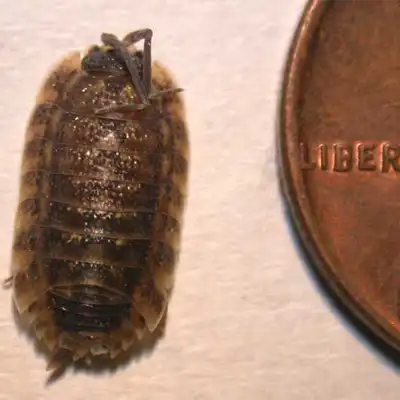
Sowbug extermination, control and removal services in Wisconsin by Batzner Pest Control
Sowbug

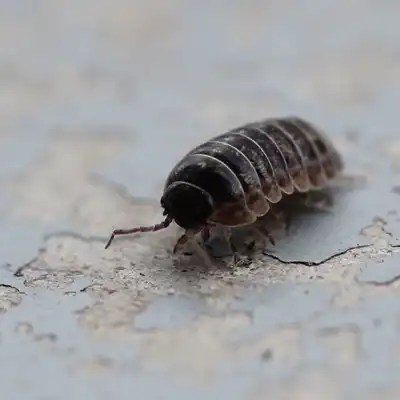
Pillbug extermination, control and removal by Batzner Pest Control in Wisconsin
Pillbug

Pillbugs can be distinguished from sowbugs because pillbugs are able to roll up into a ball when alarmed and lack the two prominent tail-like appendages that characterize sowbugs.

Pillbug Diet

Pillbugs mostly eat decomposing vegetation including, vegetables, fruits, plants, grasses, and weeds.

Pillbug Habitat

They are commonly found in moist settings beneath stones, boards, and piles of plant material. If inside, they invade basements and crawlspaces where moisture levels are higher than other places in the home.

Sowbug and Pillbug Life Cycle

Female pillbugs and sowbugs carry their eggs in a “brood pouch”, or marsupium, where the young hatch in about 45 days. There are 24 to 28 eggs in each brood and one to three broods produced each year. The young molt every one to two weeks until they become adults who live for about two years.

Sowbug and Pillbug Prevention

The best course of action to stop pillbugs and sowbugs from entering the home is to take preventative measures. Entry into buildings should be protected by sealing and caulking gaps around siding, windows, doors, pipes, and wires. Large numbers in homes can be controlled by vacuuming.

Sowbug and Pillbug Control

Pillbugs and sowbugs are best controlled by eliminating the moist environment that initially attracts them. Piles of organic matter, dense ground cover near foundations, or ground-level windows, boards, stones, flower pots, firewood, and other materials resting on the ground serve as food sources and harborage areas. They should be removed or modified to reduce the pillbug or sowbug population.

For large-scale pillbug or sowbug infestations, count on a professional pest management service to take care of the problem knowledgeably and successfully.

Brown Marmorated Stink Bug

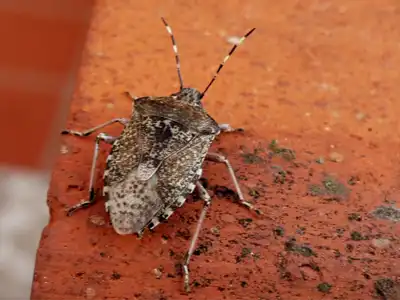
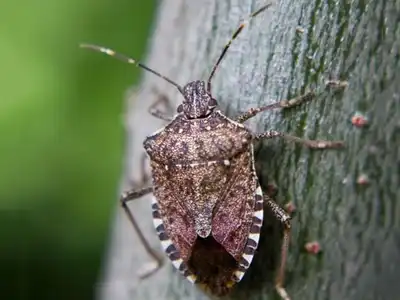
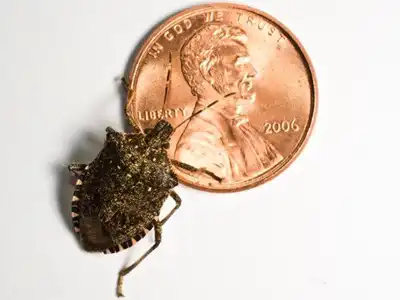
A brown marmorated stink bug on a flat white background. Exterminators from Batzner Pest Control can help with these harmless yet annoying bugs.
Stink Bug extermination, control and removal services by Batzner Pest Control in Wisconsin
Stink bug removal and control by Batzner Pest Control - Serving Wisconsin
Stink bug - Extermination services provided by Batzner Pest Control - Serving Wisconsin
Stink bug - Expert pest control and extermination services in Wisconsin by Batzner Pest Control

Stink Bugs in Wisconsin

The most common type of stink bug is the brown marmorated stink bug, an invasive species from Asia that was introduced to the US in the mid-90s. They established themselves in Wisconsin in 2010, and since then have done extremely well surviving here. They aren’t harmful to humans – they do not bite or sting – but they can damage crops such as fruit, nuts, and vegetables. They can, however, be quite annoying when they enter homes for warmth.

Stink bugs get their name from the odor they produce when disturbed or crushed. They crawl into homes and buildings during cool weather, making themselves at home in hidden areas such as in drapes and behind picture frames. They can be an unwelcome, smelly surprise if you happen to find their hiding place. Outdoors, they can be found on the sunny side of structures, clustered together for warmth.

Stink Bug Habitat

When they can’t find a building to overwinter in, brown marmorated stink bugs will hunker down anywhere they can fit. Starting around September, stink bugs look for places to overwinter. Whether on the outside of a building, in leaf litter, tree cracks, or vegetation, they’ll settle down anywhere to keep warm. Indoors, they’re often found around doors and windows.

Once the weather warms up in spring, the surviving bugs will leave their overwintering sites and seek out their host plants, where they will lay their eggs.

Stink Bug Behaviors, Threats, or Dangers

As we’ve mentioned, stink bugs don’t bite or sting and aren’t harmful to humans. While they can do real damage to crops, for the average person the biggest danger is their signature stink. Their droppings can also stain surfaces – as will their bodies if they’re crushed.

If you’re dealing with a stink bug swarm in Wisconsin, call your local exterminators to take care of it.

Field Ant

Field ant control at Batzner Pest Control in Wisconsin - Serving New Berlin, Green Bay, Milwaukee, Madison, Racine and surrounding areas

Field Ants in Wisconsin

Field ants get their name due to their preference for nesting out in the open. Nests can be found throughout Wisconsin in lawns, gardens, fields, and parks. Field ants build large mounds in open areas reaching sizes of three to four feet wide and up to two feet tall. Rarely found indoors, field ants are common around structures and homes. Most species of field ants cause issues around homes or buildings when they nest near concrete sidewalks and masonry walls.

Field Ant Habitat

Nesting in soil or decayed logs, field ants build mounds. Sometimes people mistake field ant mounds for fire ant activity. Nests are constructed from small twigs, grass stems, leaves, or pine needles. Field ant nests are found around shrubs, sidewalks, fences, and the foundations of structures. Unlike most ant pest species, field ants do not come indoors for food. They feed exclusively on outdoor food resources, such as live and dead insects and the honeydew produced by aphids.

Field Ant Behaviors, Threats, or Dangers

Field ants do not sting, however, they will bite if disturbed. If nests are destroyed or stood upon, ants may aggressively swarm out of the nest and bite the intruder. Their bite is painful, with some species spraying formic acid into the wound, which will sting. While painful at first, the sensation will subside, and their bites do not have any long-term consequences. The large mounds that field ants build can ruin the look of lawns, making lawn mowing difficult, and interfering with the growth of garden plants and woody ornamentals. If a field ant infestation is suspected, it is best to consult a professional ant exterminator. 

Larder Beetle

Larder beetle control at Batzner Pest Control in Wisconsin - Serving New Berlin, Green Bay, Milwaukee, Madison, Racine and surrounding areas

Larder Beetles in Wisconsin

The larder beetle is a commercial pest as well as a household pest. True to its name, it is found in stored foods of high protein content.

Larder Beetle Habitat

Larder beetles overwinter as adults in protected places. In the spring, adults are attracted to areas that have suitable food. When larvae are searching for a place to pupate they have a habit of boring into the wood and other hard materials.

Larder Beetle Life Cycle

Through the summer months, females lay more than 100 eggs, which take about two weeks to hatch. The larvae will feed for 40-50 days on high protein food before pupating (transforming) into adult beetles. The pupal stage lasts from three to seven days depending on temperature and moisture conditions. If conditions are ideal, a generation may be completed in 40-50 days.

Signs of a Larder Beetle Infestation

Physically remove and discard any larder beetles that are found. However, if you are continually finding larvae or large numbers of adults, this indicates an infestation is present.

The first step in larder beetle control is to identify and dispose of the beetle’s food source. Without a food source, larder beetles will not survive.  If larder beetles and their larvae are found in high numbers or have been a reoccurring problem, a large food source or a renewable food source, such as dead cluster flies or boxelder bugs in the walls, may be the underlying cause. If the food source appears to be within a wall, letting the problem run its course is likely the best solution. Once the larder beetles have exhausted the food source they will disappear. For infestations located in foam insulation, dust or powder-type insecticides are preferred. If a larder beetle infestation occurs, count on professional beetle control experts to take care of the problem knowledgeably and successfully.

Barn Swallow

Barn swallow control at Batzner Pest Control in Wisconsin - Serving New Berlin, Green Bay, Milwaukee, Madison, Racine and surrounding areas

Barn Swallows in Wisconsin

This bird is commonly seen in rural areas and semi-open country skimming low over fields with a flowing, graceful flight. They frequently seek refuge in buildings, and therefore, they may be considered a nuisance. They are protected under the Federal Migratory Bird Act.

Barn Swallows Diet

Food is mostly captured and eaten in the air, often foraging quite low over water or fields. They feed on a wide variety of flying insects, including flies, beetles, wasps, bees, winged ants, and true bugs. Moths, damselflies, grasshoppers, other insects, and occasionally a few berries or seeds are also eaten.

Barn Swallow Habitat & Nesting

Although it is becoming increasingly rare to find a barn swallow nest in a site that is not man-made, natural nesting sites are in sheltered crevices in cliffs or shallow caves. Nests are more commonly found in open buildings, under eaves, bridges or docks, barns, sheds, or similar places. The nest is built in the shape of a cup with mud and dried grass and is lined with feathers.

Barn Swallow Mating & Life Cycle

Courtship involves aerial chases. When perched, mated pairs sit close together, touch bills, and preen each other’s feathers. Several pairs may nest in the same immediate area, but do not form dense colonies like some other swallow species.

Barn swallows have one to two broods per year with four to five white eggs each. The eggs are incubated by both sexes for 13-17 days. Both parents feed the young, and occasionally, one or two additional birds (offspring from previous broods) may attend the nest and feed the nestlings. Young leave the nest about 18-23 days after hatching.

Barn Swallow Damage

Swallows can damage property with their mud nests, which are not only unattractive but can permanently damage the surfaces on which they are built. Their droppings that fall under the nests may breed bacteria and parasites causing major health concerns, requiring expensive and time-consuming clean-up and repair.

Prevention & Control

Barn Swallow Prevention

Swallows are protected under the Federal Migratory Bird Act which states that once an egg is laid in a nest, the nest is to remain intact until the hatchlings have left.

As a highly protected bird, property owners are encouraged to take proactive steps to prevent them from settling in and building nests, which can be both unsightly and damaging. Humane options for deterring swallows from landing or nesting on your property include:

  • Clean and disinfect previous nesting areas to discourage the nest from being used again.
  • Install a barrier to block the birds from the portion of the wall under an eave or overhang.
  • Provide an alternative nesting site by installing a swallow nesting box or platform on or near the home.
  • Remove feeders to limit this food source.
  • Remove leftover food on the ground and tables of open-air eateries. Tightly close all trash containers.
  • Discourage the feeding of swallows by humans.
  • Swallows are quick and alert to any perceived threats, so scare tactics, such as sound deterrents or visual distractions, can be highly effective.
Barn Swallow Control

Because swallows are protected by the Migratory Bird Treaty Act of 1918, it is illegal to intentionally capture, kill, or disrupt these migratory birds or their nests and eggs.

Experts in bird control address concerns through removal, exclusion, and deterrence. Factors that determine the best method of control include an area of application, bird species, location, access. Spikes, netting, and electrical deterrents are the most commonly used solutions. If barn swallows are suspected to be a problem, contact a local bird removal professional.

Bird services are limited to commercial clients.

Crow

Crow control at Batzner Pest Control in Wisconsin - Serving New Berlin, Green Bay, Milwaukee, Madison, Racine and surrounding areas

Crows in Wisconsin

Crows are very social, sometimes forming flocks in the thousands. They are inquisitive, which makes them good learners and problem-solvers. They’re also aggressive and often chase away larger birds including hawks, owls, and herons.

Crow Diet

Feed on practically anything they can find, including insects, spiders, snails, earthworms, frogs, small snakes, shellfish, carrion, eggs, and young of other birds, seeds, grain, berries, and fruit. They often raid garbage cans and pick over discarded food containers.

Crow Habitat & Nesting

Crows are common birds of fields, open woodlands, and forests. They thrive around people and are often found in agricultural fields, lawns, parking lots, athletic fields, roadsides, towns, and city garbage dumps. The nest is built by both the male and female. It is a large bulky basket of sticks, twigs, bark strips, weeds, and mud, lined with softer material such as grass, moss, plant fibers, and feathers.

Crow Mating & Life Cycle

The male bird has a courtship display of facing the female and fluffing his body feathers while spreading his wings and tail. Once a male and female have mated, they perch together, touch bills, and preen each other’s feathers. Since they mate for life, pairs that have already mated do not usually have courtship displays.

Typically, four to six dull blue-green to gray-green eggs are laid. Incubation is mostly by the female for about 18 days. Once hatched, the young are fed by both parents. Young leave the nest four to five weeks after hatching.

Crow Damage

Large crow nests cause serious problems, particularly when located in towns or other sites near people, because of the odor of the droppings, health concerns, noise, and damage to trees.

Crow Prevention

Crows are covered under the Federal Migratory Bird Act, which states that most birds and their parts – feathers, eggs, nests, etc.- are protected by federal law from being killed, taken, transports, possessed, bought, sold, imported, or exported without a valid federal permit.

Crows are intelligent and determined birds with good memories and the ability to use tools. Crows have also been known to remember the faces of their enemies and hold grudges. To truly get rid of crows, you’ve got to outsmart them.

To deter crows from nesting or hanging about, remove potential food sources. Secure trash cans, remove bird feeders and bring pet food containers inside.

Additional deterrents requiring installation can be used, such as netting or spikes.

Crow Control

Bird Control Services provides customized solutions to address crow concerns through removal, exclusion, and deterrence. Factors that determine the best method of control include an area of application, bird species, location, access. Spikes, netting, and electrical deterrents are the most commonly used solutions. Bird services are limited to commercial clients.

Goose

Goose control at Batzner Pest Control in Wisconsin - Serving New Berlin, Green Bay, Milwaukee, Madison, Racine and surrounding areas

Geese in Wisconsin

During warmer months, they feed on grasses, aquatic plants, seeds, and berries. During colder months, they rely more on berries, seeds, and agricultural grains.

Goose Habitat

The black-necked birds inhabit lakes, ponds, and marshes, which act as resting, nesting, and breeding sites. Canadian geese have been considered migratory birds, but man-made lakes and ponds in golf courses, residential communities, and industrial parks are so well kept, they provide optimal living conditions for the large wild goose species so they see no need to migrate. They can live in close proximity to people, which has become an annoyance and hazard to those living or working near geese populations.

Goose Mating & Life Cycle

Geese tend to mate for life. The nest site is chosen and built by the female and is usually on slightly elevated dry ground near water, with good visibility. The nest has a slight depression with a shallow bowl of sticks, grass, weeds, moss and is lined with down.

Eggs
Generally, four to seven white eggs are laid between March and June. Incubation is done by the female for 25-28 days while the male defends the territory. The defense is shown with displays, including lowering head almost to ground with bill slightly raised and open, hissing; also pumps head up and down while standing.

Young
Parents lead young from nest one to two days after hatching. Young are tended by both parents but feed themselves. The first flight usually takes place between seven and nine weeks of age.

Goose Damage

Property Damage

Because geese often forage in large groups, they inflict serious physical and economic damage to agricultural crops, residential lawns, golf courses, ornamental plants, and gardens, particularly in areas where these birds have sought shelter during the molting period.

Lawn Damage

Feeding damage to grass, clover, and cover crops can leave large bare spots that will be subject to erosion.

Vegetation Damage

They trample the vegetation and compact the soil, creating a hard surface that prevents new growth of vegetation.

Feces

Goose feces can contribute to the excessive richness of nutrients in small water bodies, especially those that have restricted circulation and flow-through, which in turn may stimulate algae and weed growth. Large amounts of bacteria contained from goose feces may lead to the need for special treatment of drinking water drawn from surface ponds or reservoirs where geese congregate. Additionally, closures of beaches and other public areas littered with accumulated goose feces may be necessary due to the contamination or the threat of falls as people lose footing on the slippery material.

Goose Prevention & Control

Goose Prevention

Mowing and maintaining lawns down to the water’s edge and maintaining very large lawns anywhere near water is vital to preventing geese. Plastic mesh placed over grass usually discourages them from walking on a lawn.

Goose Control

Canadian geese are protected by the Federal Migratory Bird Act, which states that most birds and their parts – feathers, eggs, nests, etc.- are protected by federal law from being killed, taken, transports, possessed, bought, sold, imported, or exported without a valid federal permit.

Sound devices: Similar devices used to scare other species of birds have been shown to have an effect on Canadian geese but are only effective in the short term.

Visual deterrents: Optical scare devices that create light beams reflected from direct sunlight create a pattern that disorients birds in flight by limiting their vision.

Coyote replicas depict a realistic silhouette of this geese predator. These decoys are humane, easy to set up, or takedown and effective.

Bird wire system: Wires are placed on the outer perimeter and across lakes and ponds to prevent geese from inhabiting these areas.

Bird services are limited to commercial clients.

Grackle

Grackle control at Batzner Pest Control in Wisconsin - Serving New Berlin, Green Bay, Milwaukee, Madison, Racine and surrounding areas

Grackles in Wisconsin

Feeds on insects, including beetle grubs, grasshoppers, caterpillars, spiders, millipedes, earthworms, and diverse items such as crayfish, minnows, frogs, lizards, eggs and young of other birds, and small rodents. Vegetable matter is also important in their diet. During the winter months their diet focus on berries, seeds, waste grain, and acorns.

Grackle Habitat and Nesting

Grackles are common in many kinds of open or semi-open countries, including farmland, towns, groves, and waterways. They often forage for food in farm fields, pastures, suburban lawns, cattle feedlots, and marshes. Nests are well hidden among branches of dense trees (especially conifers) or shrubs near water or close to open areas, as in groves, woodland edges, and parks. Built by the female, nests are bulky and made of weeds, grass, and twigs, usually with some mud added. The inside is lined with fine grass. The birds typically nest in small colonies of 10-30 pairs, but sometimes 100 or more.

Grackle Mating & Life Cycle

In early spring, courtship begins when the male fluffs out body feathers, partly spread wings and tail, and gives short scraping songs.

Eggs
Generally, four to five light blue, spotted eggs are laid. Incubation is done by the female for 12-14 days. While the male may remain with the female during this period, most do not.

Young
Both parents feed nestlings, bringing them mostly insects. Young leave the nest about 16-20 days after hatching. One or two broods per year are common.

Grackle Damage

As they are scavenging birds, large numbers can be found near garbage cans, food courts, and other areas where food is present. They are often found in areas associated with humans creating unsanitary conditions with their fecal matter. They are also agricultural pests because of their tendency to eat small seedlings and damage crops.

Grackle Prevention

The best way to get rid of grackles is to be proactive and discourage them from building nests in the first place. It’s important to thoroughly clean up any bird droppings or nesting materials before any deterrent products are installed (grackles are attracted to the scent of their droppings and nests).

Grackle Control

Grackles are covered under the Federal Migratory Bird Act, which states that most birds and their parts – feathers, eggs, nests, etc.- are protected by federal law from being killed, taken, transports, possessed, bought, sold, imported, or exported without a valid federal permit.

Below are humane options for deterring grackles from landing or nesting on your property:

  • Use netting to block them from rafters or beams.
  • Remove any food source, including feeders.
  • Remove leftover food on the floor and tables of open-air eateries.
  • Tightly close all trash containers.
  • Discourage the feeding of grackles by humans.
  • Grackles are quick and alert to any perceived threats, so scare tactics, such as sound deterrents or visual distractions, can be highly effective.

Bird services are limited to commercial clients.

Asian Lady Beetle

Asian lady beetle control at Batzner Pest Control in Wisconsin - Serving New Berlin, Green Bay, Milwaukee, Madison, Racine and surrounding areas

Asian Lady Beetles in Wisconsin

Commonly mistaken for the ladybug, the multicolored Asian lady beetle was introduced into the United States from Asia to control aphids, scale, and other crop pests from 1978 to 1981. It is now widely distributed from Mississippi to the Midwest, Southwest, and Pacific Northwest. Asian lady beetles may enter homes in large numbers and have become consistent overwintering pests in buildings and homes.

Asian Lady Beetle Habitat

This species is a voracious predator of crop pests and produces several generations per year. Their tendency to aggregate and ability to enter structures often causes this insect to become a significant structural pest. Hundreds and even thousands of these beetles have been found in and on homes. Asian lady beetles can be found in attics, wall voids, on siding, inside closets, and may be attracted to light.

Asian Lady Beetle Behaviors, Threats, or Dangers

Although Asian lady beetles may bite, their bite does not seriously injure humans or spread diseases. If handled or crushed, they will emit a foul odor and leave a stain. In fall, beetles seek out crevices and protected areas around homes to spend the winter, congregating in attics, wall cavities, cracks around door frames, and within soffits and wall voids. If a large number of beetles gain access inside of homes, they can stain drapery and clothing. Asian lady beetles cannot survive sub-freezing temperatures, although they can survive within homes and buildings that provide adequate warmth and humidity. If you are dealing with an infestation, always contact a licensed beetle exterminator.

Asian Lady Beetle Prevention & Control

Asian Lady Beetle Prevention

The best course of action to stop Asian lady beetles from entering the home is to take preventative measures. This includes, but is not limited to:

  • Sealing off all entry points to the building outdoors, including where phone lines, cable TV wires, and other pipes and vents enter buildings
  • Caulking openings in the foundation and around plumbing, electrical conduits, and windows
  • Repairing or replacing any damaged window or door screens, screens in roof vents and in bathroom and kitchen fans
  • Covering vents
Asian Lady Beetle Control

DIY Control

  • Don’t crush them! Avoid stepping on or squashing Asian lady beetles, as the insect may stain carpets, other fabrics, or walls.
  • Vacuum! Simply vacuuming the insect up may prove effective.
  • Prevention is the key, so caulk and close up window and door frame gaps, and any other openings into the building.

Professional Pest Control

To prevent Asian lady beetle entry, an insecticide treatment must be applied during late September or early October before the insects begin to enter buildings, in order to be effective. Once the pests have entered the building, an interior treatment can be done in winter or spring that will eliminate them as they come out of hibernation.