
 Unexplained noises in your attic, dug-up garden beds, or unidentified tracks near your porch mean an uninvited wildlife guest has moved in. Accurately identifying the species is the critical first step toward resolving an infestation, preventing costly structural damage, and ensuring safe, compliant removal.
Use this identification guide to pinpoint your pest by matching footprints, entry points, active hours, and nesting habits across the eight most common small nuisance animals found in Milwaukee, Madison, Oshkosh, and New Berlin.
Jump to a Specific Pest:
- Raccoon – Masked scavengers in attics, chimneys, and roof vents
- Squirrel – Early morning chewers in soffits and eaves
- Opossum – Low-profile transients under decks, slabs, and porches
- Rabbit – Surface-nesting grazers damaging lawns and gardens
- Skunk – Nocturnal diggers burrowing under sheds and decks
- Woodchuck / Groundhog – Heavy burrowers damaging foundations and garden beds
- Rat – Fast-breeding nocturnal pests in walls, burrows, and basements
- Muskrat – Water-adjacent lodge builders damaging banks and waterfronts
Need a pest control estimate?
We'll call you! Our representatives are fast and friendly.
1. Raccoons
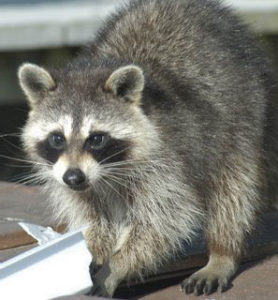
Raccoons are among the most persistent wildlife threats for Wisconsin homeowners, thriving in both urban neighborhoods and wooded suburban lots. Their dexterous front paws and muscular build allow them to tear into structural weak points to seek shelter during harsh Midwestern winters. Identifying their presence early is crucial to preventing severe property damage and secondary pest infestations.
| Diet | Omnivorous scavengers (garbage, pet food, fruits, garden produce, small prey) |
| Shelter / Entry | Attics, chimneys, roof vents, soffits, and unsealed garages |
| Offspring | 1 litter per year (3–5 kits born between April and June) |
| Active Time | Primarily nocturnal; foraging mothers may be active during the day |
| Removal | Live trapping, structural exclusion, and professional entry-point sealing |
| WI Laws & Regulations | Under Wis. Stat. § 29.337, landowners may trap or shoot raccoons causing damage year-round without a DNR license. Live-trapped raccoons must be humanely euthanized or released within 24 hours on private property with written permission from the landowner; releasing raccoons on DNR public land is strictly prohibited. |
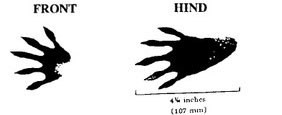
What Do Raccoon Tracks Look Like?
2. Squirrels
Common across Wisconsin’s oak-rich suburbs and residential neighborhoods, squirrels pose a constant threat to residential roofs and overhead structures. Their ceaseless gnawing behavior stems from continuously growing teeth, making them a primary cause of structural and electrical hazards in homes. Homeowners frequently hear their chaotic activity overhead long before seeing physical entry points.
| Diet | Nuts, seeds, acorns, tree bark, buds, and garden vegetation |
| Shelter / Entry | Soffits, eaves, fascia boards, attic spaces, and wall voids via tree branches |
| Offspring | 2 litters per year (2–6 kits born Feb–Apr and Aug–Sept) |
| Active Time | Diurnal; most active in early morning and late afternoon |
| Removal | One-way exclusion doors, live trapping, and tree-trimming preventative barriers |
| WI Laws & Regulations | Under Wis. Stat. § 29.337, tree squirrels (gray, fox, red) causing damage can be trapped or shot by property owners year-round without a license. Live-trapped squirrels must be released or euthanized within 24 hours on private land with owner consent; flying squirrels are protected under state game rules unless causing direct property damage under NR 12.10. |
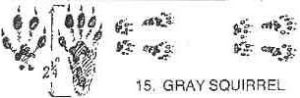
What Do Squirrel Tracks Look Like?
3. Opossums
As North America’s only marsupial, the opossum is a frequent winter-vulnerable visitor to Wisconsin yards that often takes advantage of preexisting cavities. Despite their intimidating defense mechanisms, they play a beneficial role in local ecosystems by consuming thousands of disease-carrying ticks each season. However, their tendency to nest beneath low structures can cause odor and sanitation issues for property owners.
| Diet | Omnivorous scavengers (insects, ticks, fallen fruit, carrion, trash) |
| Shelter / Entry | Existing burrows, under decks, porches, sheds, crawlspaces, and open garages |
| Offspring | 1 litter per year (average 5–8 joey pouch young born Feb–June) |
| Active Time | Nocturnal |
| Removal | Habitat modification, live trapping, and sealing ground-level perimeter voids |
| WI Laws & Regulations | Opossums are classified as furbearers/game animals, but landowners are authorized under Wis. Admin. Code NR 12.10 to capture or remove them if causing property damage or a nuisance. Live-trapped opossums cannot be released on public lands and require private landowner approval for off-site release. |
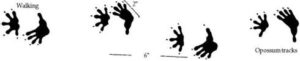
What Do Opossum Tracks Look Like?
4. Rabbits
Eastern cottontail rabbits are ubiquitous throughout Wisconsin residential neighborhoods, causing extensive landscape degradation during both growing and winter seasons. Their presence is often marked by sharp, angled clipping of ornamental shrubs and garden flora near ground level. While they rarely breach home interiors, their ground-level nesting habits create ongoing yard maintenance challenges.
| Diet | Herbivorous (grasses, garden vegetables, flower stems, winter shrub bark) |
| Shelter / Entry | Open lawn depressions, brush piles, tall grass, and under low decking |
| Offspring | Up to 3 litters per year (average 4–7 kits per litter) |
| Active Time | Crepuscular (active primarily at dawn and dusk) |
| Removal | Garden fencing, wire trunk guards, habitat clearance, and live box traps |
| WI Laws & Regulations | Under Wis. Stat. § 29.337, property owners may shoot or trap cottontail rabbits causing damage on their land year-round without a license. Relocation to non-DNR private land is permitted with landowner consent, or rabbits may be released into licensed hound-training enclosures per NR 12.10. |
What Do Rabbit Tracks Look Like?
5. Skunks
Skunks are notorious across Southern and Central Wisconsin for the lingering noxious spray they deploy when startled by pets or humans. They thrive around residential foundations, where low-clearance gaps offer ideal winter den sites. Their burrowing activity near concrete slabs can compromise structural stability while posing persistent odor risks to nearby living spaces.
| Diet | Omnivorous (grubs, insects, small rodents, eggs, fallen fruit, pet food) |
| Shelter / Entry | Burrows under porches, decks, sheds, woodpiles, and concrete slabs |
| Offspring | 1 litter per year (5–6 kits born April–June) |
| Active Time | Nocturnal |
| Removal | Covered live cage trapping, trench fencing, and professional odor control |
| WI Laws & Regulations | Skunks are classified as unprotected/nuisance species when causing damage on private property under NR 12.10. Landowners may trap or destroy them year-round without a license, but live relocation requires private landowner permission within 24 hours and must adhere to state rabies vector protocols. |
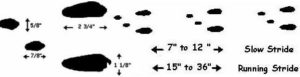
What Do Skunk Tracks Look Like?
6. Woodchucks / Groundhogs
Woodchucks are massive burrowing rodents that cause severe structural undermining across suburban Wisconsin yards and garden perimeters. Their extensive underground tunnel networks can weaken deck footings, retaining walls, and building foundations over time. Their heavy feeding habits make them a top concern for homeowners maintaining vegetable gardens and ornamental beds.
| Diet | Strictly herbivorous (green vegetation, garden crops, leaves, grasses) |
| Shelter / Entry | Multi-entrance burrows beneath decks, sheds, porches, and stone walls |
| Offspring | 1 litter per year (4–5 pups born April–May) |
| Active Time | Diurnal (peak activity in early morning and late afternoon) |
| Removal | Live trapping at main entrance, hole blocking, and underground mesh aprons |
| WI Laws & Regulations | Under Wis. Stat. § 29.337, landowners may trap or shoot woodchucks causing damage on their property year-round without a hunting/trapping license. Live relocation must occur on private land with owner permission within 24 hours; release on DNR lands is strictly illegal. |
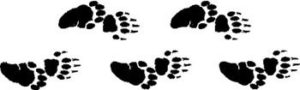
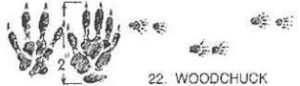
What Do Groundhog Tracks Look Like?
7. Rats
Norway rats (and, to a lesser extent, roof rats) represent one of the most severe public health and structural threats to Wisconsin urban and suburban properties. Capable of squeezing through tiny structural cracks, they contaminate living spaces and chew through heavy building materials. Their rapid reproduction cycles demand immediate, comprehensive action to prevent full-scale property infestations.
| Diet | Omnivorous scavengers (food waste, grains, meat scraps, pet food) |
| Shelter / Entry | Wall voids, attics, sub-floors, crawlspaces, and exterior burrows |
| Offspring | Up to 5 litters per year (6–24 pups per litter; year-round breeding) |
| Active Time | Nocturnal |
| Removal | Structural exclusion, mechanical snap trapping, and rodenticide baiting |
| WI Laws & Regulations | Norway rats and roof rats are classified as unprotected pest species in Wisconsin. Landowners and pest control operators may trap, exclude, or exterminate rats at any time without DNR licenses, permits, or seasonal restrictions. |
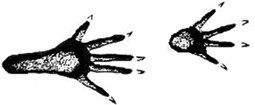
What Do Rat Tracks Look Like?
8. Muskrats
Muskrats are semiaquatic rodents commonly affecting Wisconsin properties located near lakes, ponds, drainage basins, and streams. Their habit of burrowing into sloped shorelines leads to severe soil erosion, collapsing lawns, and damaged waterfront retention walls. While they rarely seek shelter inside homes, their aquatic digging causes costly landscape destabilization.
| Diet | Herbivorous aquatic plants (cattails, pondweeds, roots, lilies) |
| Shelter / Entry | Shoreline burrows, bank lodges, and vegetative domes near water |
| Offspring | 2–3 litters per year (6–8 kits per litter) |
| Active Time | Crepuscular and nocturnal |
| Removal | Live water-edge trapping, shoreline riprap installation, and bank netting |
| WI Laws & Regulations | Under Wis. Admin. Code NR 12.10, muskrats causing damage to dikes, dams, shorelines, or roadways may be destroyed or trapped by landowners without written authorization. Outside of active damage situations, muskrat harvest is governed by standard WI DNR furbearer trapping seasons and licensing. |
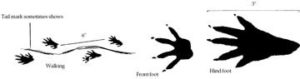
What Do Muskrat Tracks Look Like?
What Should You Do If You Find Wildlife in Your House?
If you find wildlife in your home – or you have reason to suspect they’re present – it’s important to take care of the problem right away. Nuisance wildlife can quickly cause property damage as they try to scratch, claw, and chew their way out. They can also spread dangerous germs and pathogens via their waste and nesting material. The longer they remain in your home, the greater the risk.
Step 1: Identify the Species & Entry Points
Use the footprints, droppings, activity timing, and nesting signs detailed above to narrow down the intruder. Inspect rooflines, soffits, chimneys, and foundation perimeters to locate potential access points.
Step 2: Evaluate DIY vs. Professional Removal
For minor, low-risk situations — such as a squirrel in the garage or a rabbit in the garden bed — simple habitat adjustments or leaving an exterior door open can resolve the issue. However, attempting DIY live trapping or handling for established indoor infestations poses significant drawbacks:
- Health & Safety Risks: Raccoons, skunks, and bats are primary rabies vectors in Wisconsin, while rodent droppings harbor severe airborne pathogens and parasites.
- Wisconsin Legal Liabilities: Relocating captured wildlife off-site without specific DNR permits is illegal in many local jurisdictions and risks spreading disease.
- Trapping the Young Inside: Sealing holes or trapping an adult often leaves baby animals hidden in walls or attics, leading to severe odor, pest issues, and destructive adult re-entry attempts.
- Temporary Fixes: Removing an animal without properly engineering structural exclusion guarantees another pest will take its place.
Step 3: Isolate the Area
Close interior doors to confine the animal to a single room or attic zone, and keep pets and children strictly away from the area. Do not attempt to block the exterior entry point until you are certain all animals—including juveniles—are out.
Step 4: Call a Licensed Professional
Professional wildlife control goes far beyond setting traps. Certified technicians inspect the entire structure, utilize compliant eviction methods under Wisconsin DNR regulations, execute durable repair and exclusion work using heavy-gauge materials, and thoroughly sanitize contaminated areas.
Don’t wait for nuisance wildlife to compromise your home’s safety or cause costly structural damage. Reach out to Batzner Pest Control today for fast, humane, and fully compliant wildlife removal across Milwaukee, Madison, Oshkosh, New Berlin, and throughout the Dairy State. Our certified technicians are standing by to restore your peace of mind.
Back to Wildlife Control – Exclusion – Removal


