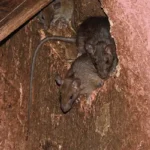

As the weather gets colder, pests are looking for places to hunker down for the winter. Rats and mice live near humans because we offer an easy source of all the things they need, food, water, and shelter. Unfortunately, your business could be the ideal place for rodents to overwinter. This exposes you, your clients, and your employees to all the risks that rodents bring with them.
Rodents can cause structural damage, contaminate inventory, and spread disease, but with rodent control services from the Batzner Pest Control team, you stand the best chance of keeping those pesky pests out of your business. But in the meantime, there are a few things you can do to stop an infestation before it starts.
5 Rodent Prevention Tips for Businesses
1. Seal structural gaps.
Rodent exclusion is the process of sealing up a structure to prevent rodents from getting in. Rodents don’t need much space to get inside your building. If a rodent can squeeze its head through a gap, the rest of its body can follow, and if the gap is too small for its head, it can gnaw at it until it fits. Don’t underestimate rodent teeth! With a Mohs hardness rating of 5.5, they’re harder than human teeth, iron, and even some forms of steel.
For large structural gaps, like the ones between floor expansion joints, it’s a good idea to use two layers of high-density foam surrounding a layer of stainless steel mesh. For smaller gaps, the high-density foam or steel mesh on their own might be enough. Expanding foam sealants alone won’t be enough to keep rodents from chewing through.
Make sure to check your door seals as well. Weather stripping is a good choice to ensure rodents don’t squeeze under closed doors, but it’s also easy to chew through. It may need frequent replacement. Consider using door guards and sweeps to seal up your door gaps.
2. Remove potential harborage.
Keeping your landscaping neat isn’t just about looking good, it’s also a great way to deter pests. By trimming back your trees and shrubs, you reduce rodent harborage, that is, places for rodents to hide. It’s recommended to leave a six-foot gap between landscaping elements and your business’s structure. That way, rodents won’t set up shop right next to your building.
For restaurants and other food service establishments, a clean exterior is just as important for your reputation as a clean interior. Rats and mice have no business being anywhere nearby, so cleaning up your landscaping to remove harborage is a great idea.
3. Carefully inspect shipments.
In warehousing and manufacturing, even a single rodent could do a number on your inventory, and therefore on your profits. It pays to check for signs of rodents in every incoming shipment, just in case one is hitching a ride. Even if you don’t handle food shipments, rodents may have crawled inside in search of nesting materials.
Here are a few things to look out for when inspecting for rodents:
- Gnaw marks. Rodents have to gnaw almost constantly to keep their teeth under control. Chewing through paper, plastic, and even some metals is easy for them.
- Droppings. This one speaks for itself. Where there are rodents, there will be droppings.
- Spills. All their gnawing can easily lead to spilled inventory, especially with food products and small items.
Rodents don’t need a lot of space and can go for days without food or water, so even a shipping pallet makes a perfect temporary home for them.
4. Keep a lid on garbage.
Part of what makes rodents such strong survivors is that they aren’t picky about what they eat. They’re more than happy to eat our leftovers, and since we don’t like to hang around our garbage cans, they’re a very inviting place for rodents to hunt for food.
Luckily, there’s a fairly simple solution to this problem; keep your garbage cans and dumpsters closed tightly or even locked to prevent rodents from climbing inside. This goes for recycling bins too! Remember that if they can’t eat it, they’ll probably use it for nesting materials. Keep garbage areas tidy and secure, and you stand a better chance against pests.
5. Schedule professional inspections and monitored traps.
There’s only so much you can do without a professional, of course, so professional inspections are advised on a regular basis, even if you think your property is pest-free. Remember that rodents are small and can hide just about anywhere, including places that you can’t easily reach. They can make their homes in wall and ceiling voids, in attics and crawlspaces, and even in sub-slab. These places can be difficult or impossible to reach without help from a pro.
Pest-monitoring traps are also an excellent way to keep rodents out of your structure. Place them in areas with high potential for rodent traffic, such as basements, parking garages, outdoor break areas, and shipping and receiving areas.
How Rats and Mice Could Harm Your Business
No matter what type of business you run, from restaurants to hotels and more, keeping rodents out is vital. Below are just a few ways that rats and mice are bad for your business.
- Disease and contamination. Rats and mice (and the parasites that live in their bodies) can carry a number of diseases such as hantavirus, salmonellosis, and rat bite fever. They can also contaminate food and other inventory with bacteria.
- Property damage. Did you know rodent teeth never stop growing? That’s why they chew things; to keep their teeth from overgrowing. This constant need to gnaw, combined with their extremely strong teeth, means they will chew anything they can get their paws on, whether it’s your furniture, drywall, and even certain types of metal. If they chew through your wiring, they can even present a fire hazard.
- Reputation damage. News travels fast these days, and a rodent encounter will certainly be the first thing a customer will mention in their reviews of your business. Even a single rodent could cause a chain reaction that ruins your business’s reputation.
How Batzner Pest Control’s Rodent Exclusion Services Can Help
Rodent exclusion involves sealing up gaps and cracks in a structure to prevent pests from entering; it’s a proactive approach that aims to stop infestations before they can start. Like all of our services, rodent exclusion can be tailored to your business’s unique needs. Broadly speaking, here are the steps we’ll follow:
- Comprehensive inspection. First of all, we inspect your building thoroughly and look for any signs of infestation, while noting any potential vulnerabilities in the structure. Remember that these vulnerabilities can be extremely small, rats and mice can fit through any gap big enough for them to fit their heads through.
- Exclusion repairs. Once we’ve assessed the problem and made a plan, we start sealing up all the vulnerabilities we found.
- Trapping. For larger wildlife that can’t be easily dealt with otherwise, we use humane traps for removal.
- Ongoing follow-up prevention. Our technicians will check in at regular intervals to make sure that our initial service is still functioning as intended.
3 Rodents to Watch Out For
Roof rats, Norway rats, and house mice are rodents that often live close to humans, relying on them for food, water, and shelter. As opportunistic feeders, they seek out locations with easy access to food, which can lead to significant issues for businesses. They can damage inventory, disrupt daily operations, and harm your reputation. In industries like food service, retail, hospitality, and property management, vigilance for signs of rodents is crucial for safeguarding your business.
Roof Rats
Roof rats are typically found outdoors but often venture inside businesses seeking food and shelter, particularly in areas like attics, roofs, and chimneys. As proficient climbers, they can travel from tree branches or power lines to the roof, slipping through gaps as small as less than an inch in diameter.
Roof rats, ranging from light to dark brown, are smaller than their Norway rat counterparts, reaching lengths of up to 8 inches. Although they mainly eat seeds and plants, they are capable of chewing through materials like plastic and soft metals to get to food. These rats also hoard food for later. Signs of infestation include gnawed marks, electrical damage from chewed wires, greasy rub marks along their pathways, and droppings that are about ½ inch in length with pointed ends.
How To Help Prevent Roof Rats
Roof rats can access your business in no time if the environment is favorable. Help keep them out with these easy and practical techniques:
- Inspect and Seal: Perform routine roof inspections to check for any holes or gaps and seal them to prevent rats from entering your building.
- Maintain Cleanliness: Keep food prep and storage areas clean and organized, ensuring all food is properly sealed and stored to avoid attracting rats.
- Trim Trees: Trim back tree branches that overhang or touch the roof, preventing rats from using them as a route to access the roof.
- Dispose of Waste: Regularly dispose of trash and store dumpsters securely to minimize the risk of rats being attracted to food waste.
House Mice
House mice are always on the lookout for food and a comfortable, secure place to nest. They come in shades of light brown to dark gray and typically measure between 2 and 5 inches long. Due to their ability to squeeze through openings as small as the width of a pencil, it’s crucial to regularly check and seal any gaps to prevent an infestation.
Mice are mostly nocturnal, making it harder to catch them in the act when you and your staff aren’t present. However, signs of their presence, such as gnawed baseboards, chewed food packaging, and droppings, are usually visible. Their droppings are about a quarter-inch long, pointed at the ends, and often found in clusters. Mice are drawn to carbs, particularly grains, oats, and fruits, and tend to nest near food sources, often in walls near kitchens or storage areas.
How To Help Prevent House Mice
If given the chance, mice can quickly infiltrate your business. Help stop them in their tracks with these simple, effective prevention tips:
- Seal Holes and Cracks: Block any gaps or cracks in walls and floors with steel wool or caulk to prevent mice from entering your business.
- Clean and Disinfect: Regularly clean and sanitize surfaces in food prep areas and kitchens to remove potential food sources, making the space less attractive to mice.
- Sealed Containers: Store food in airtight containers and keep it off the floor to limit mice access and prevent contamination.
- Maintain Vegetation: Trim back trees, shrubs, and plants, leaving a few feet of clear space between your building and the vegetation to stop mice from using them as entry points.
Norway Rats
Commonly referred to as brown rats, street rats, or sewer rats, Norway rats are omnivores with a keen sense of smell that aids them in locating food. These rodents can reach lengths of up to 11 inches, have brown or gray fur, and can squeeze through gaps as narrow as ¾ inch. A single female can produce as many as five litters annually.
Known for burrowing, Norway rats often nest underground. When they invade your business, they seek out hidden, dark areas such as basements or crawlspaces. These rats can carry pathogens that contaminate food and inventory, leading to persistent issues. Keep an eye out for signs like gnaw marks, greasy trails, scampering sounds, and droppings that are longer and pellet-shaped, though not as common as mouse droppings.
How to Help Prevent Norway Rats
Norway rats can quickly access your business if the environment is favorable. To help keep them out, follow these straightforward and efficient prevention steps:
- Remove Moisture: Fix leaking pipes or faucets to eliminate water sources that attract rats.
- Clean Trash Receptacles: Clean trash bins regularly and ensure dumpsters are securely sealed to keep rats from accessing food or shelter.
- Trim Vegetation: Trim plants and shrubs around the building to remove potential hiding spots and burrowing areas for rats.
- Store Food Properly: Store food in sealed containers and avoid leaving it exposed, especially overnight, to prevent attracting rats.
What to Do If You Suspect Rodents
If a rat or mouse appears in or around your business, reach out to Batzner Pest Control as soon as possible to prevent the problem from growing.
Given how fast rodent infestations can spread, calling a pest control service like Batzner Pest Control is vital to protect your business. A technician will inspect your property, determine the rodent species present, and suggest effective removal and prevention methods. They will also provide advice on how to minimize future risks and ensure your business remains rodent-free. While there are several signs of rodent activity, the most obvious is seeing one, whether it’s alive or dead.
Why Batzner Pest Control?
Every industry has different pest control requirements and regulations. That’s why it’s so important to partner with a company that specializes in your particular pest control needs. At Batzner Pest Control, we serve a wide variety of industries, such as the following:
- Education and daycare
- Food service
- Healthcare
- Lodging and hospitality
- Manufacturing
- Multi-unit housing
- Property management
- Restaurants
- Warehousing and distribution
- …and more!
Protect Your Business With Rodent Exclusion Services
You have enough to worry about as a business owner; let us handle the rodents. The Batzner Pest Control team keeps up with all the latest developments in pest control technology and techniques to keep your business up and running, and keep your pest-related worries out of mind. For 75 years, we’ve helped business owners in Wisconsin and the surrounding areas keep mice, rats, and every other type of pest out of their properties.
Since 1946, businesses in the Wisconsin area have counted on the Batzner Pest Control team for rodent control services. Our team has all the latest tools and techniques needed to keep rodents out of your property or halt an infestation in progress. Whatever pest control services your company needs, we can handle them.
Give us a call to get started with a free quote!
Need a pest control estimate?
We'll call you! Our representatives are fast and friendly.